




Electric box
cable
Wiring harness

 0.2mm layer, 3 walls, 15% infill
8-disc
PLA
Designer

118

24
This project represents the evolution of the classic 3D‑printable cable gland. By moving beyond the limitations of single-material designs, this innovative solution leverages the synergistic benefits of PLA’s structural rigidity and TPU’s flexibility to deliver a reliable, cost‑effective, and immediately ready‑to‑use technical solution.
Why Choose This Design?
The dual‑material approach addresses the primary challenge associated with 3D‑printed cable glands: achieving a robust threaded connection without compromising the cable’s seal.
Technical Features and Advantages:
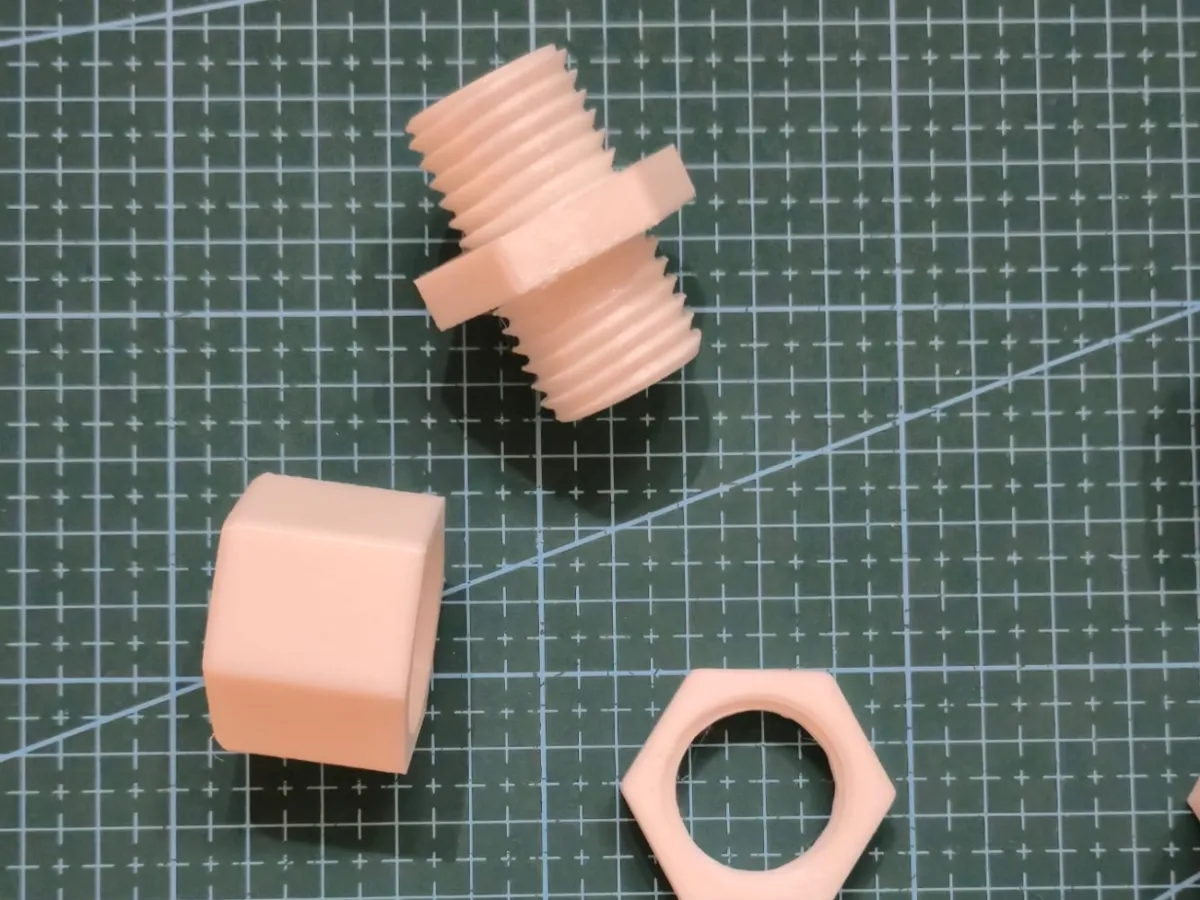
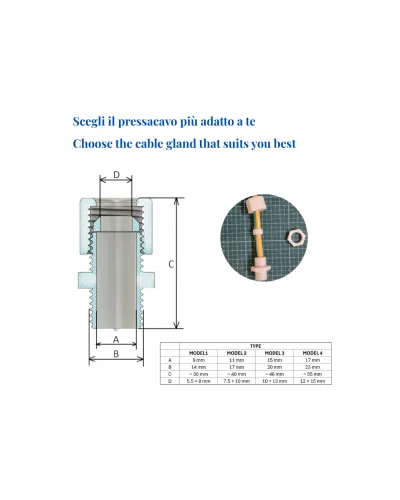
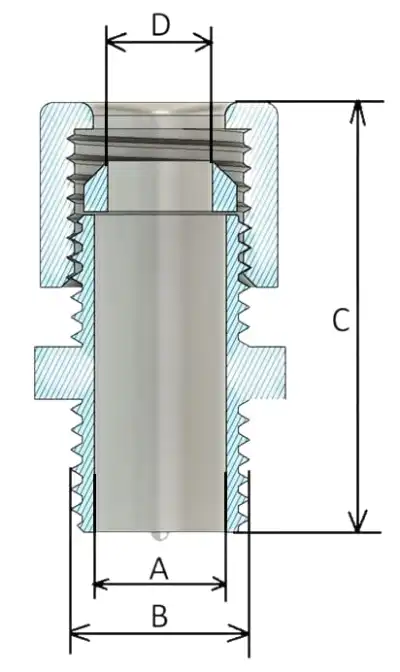
Optimized Bimaterial Design: The outer PLA body ensures precise, dimensionally stable threads with exceptional impact resistance. The internal TPU insert acts as a strain relief mechanism while providing a secure seal, delivering outstanding grip without damaging the cable jacket.
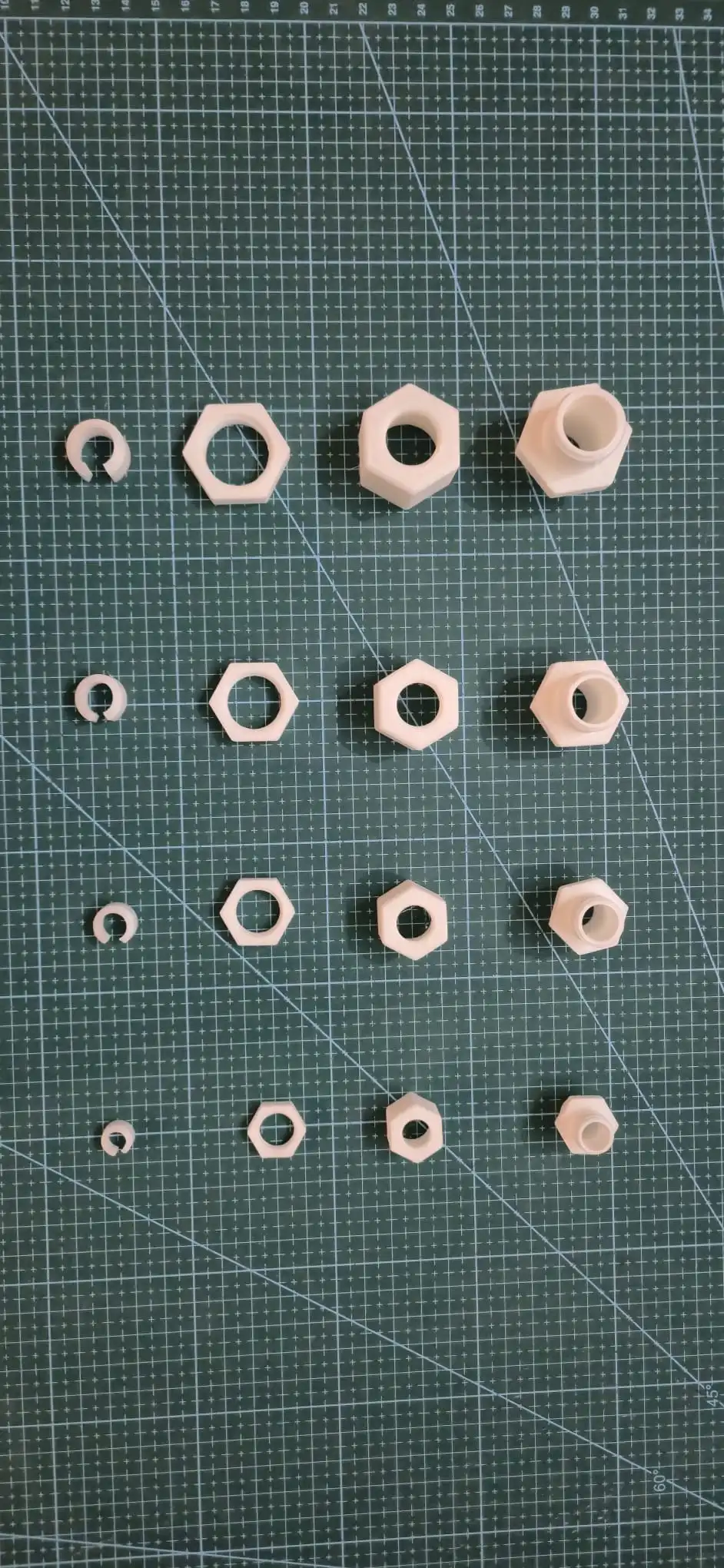
Modular Versatility: The design is fully parametric, allowing for customization across a wide range of tolerances and dimensions, covering an extensive diameter spectrum. It’s the ideal choice for custom electronics projects, home automation applications (e.g., enclosures for ESP32/Arduino), and quick repair scenarios.
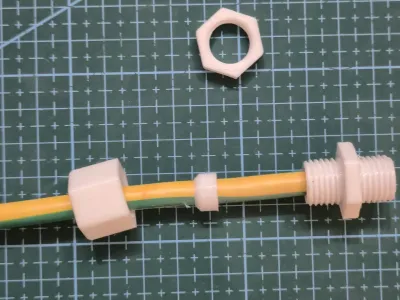
Tool‑Free Assembly: Say goodbye to screws, adhesives, or complex post‑processing. The TPU ring is engineered for a perfect geometric fit within the PLA body—simply insert it and screw on the cap.
Ready for FDM Printing: Geometries are specifically optimized for FDM printing, eliminating the need for intricate support structures and delivering clean, high‑quality results—even when using entry‑level printers.
Ideal Applications:
Enclosures for electronics and IoT devices.
Cable routing solutions for machinery or 3D printers.
Rapid prototyping of wired systems.
Originality of the Model
The author declares that this work is their personally original model
This model is licensed under the following terms:
Credit must be given to the creator
Models(1)
- Pressacavo.3mfDesigner

2.66 MB

2025-12-18


