




hydroponic tower
vertical hydroponic system
3D printed hydroponics
modular plant tower
indoor gardening system
DIY hydroponic

- Tower Hydroponic System

8-disc
ABS/ASA/PETG/...
Designer

475

59
Tower Hydroponic System Part 1 Assembly
Introduction
Creativity is a strange thing. It doesn’t come on demand, or by schedule, or even out of necessity. It’s like a dream — you slip into it without even noticing. One eye stays in reality, while the other explores a different dimension where a project begins to assemble itself. Sometimes you snap out of it quickly; other times you wake up holding a printed prototype in your hands.
That’s exactly how this tower came to be. I was working on a controller — a completely different project — when I suddenly remembered how I once grew strawberries on my balcony using hydroponics. Everything spiraled from there. By morning, the first section was printed. Then another. And another. I couldn’t stop, nor explain why. It just felt necessary.
On Hydroponic Systems
There are many hydroponic systems out there. A vertical tower is just one of many options. It has its own principles, advantages, and trade-offs. This article focuses mainly on assembly and testing. Nutrient solutions, lighting, automation, and plant selection will be covered separately.
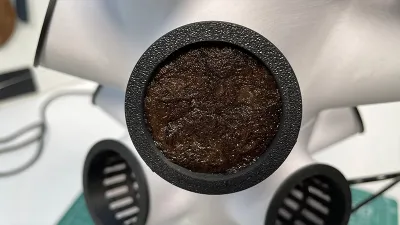
By the way: I don’t use standard net pots. Instead, I print custom ones tailored precisely to my design. For them, plugs made of basalt fiber under the trade name Agra-Wool Speedgrow BASIC Plug 38x40 mm fit perfectly. Custom solutions are often more practical and precise for specific tasks.
Growing Principles
Hydroponics isn’t just “without soil.” It’s a complete life-support system. The root system depends entirely on what the grower provides — water, nutrients, light, oxygen — all must be perfectly balanced. There’s no room for chance. Just like in space, any deviation from the instructions can lead to failure. But the results, when done right, are impressive.
Tower Structure
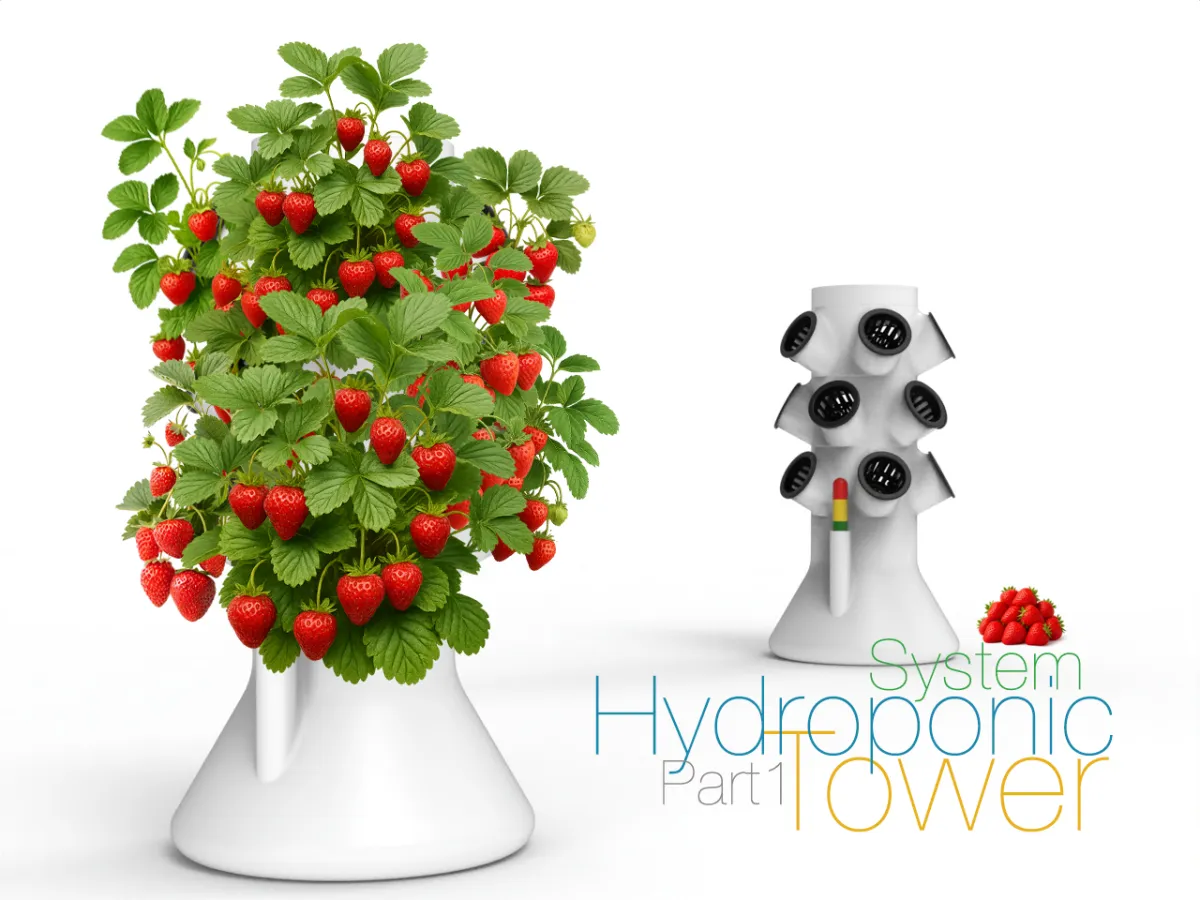
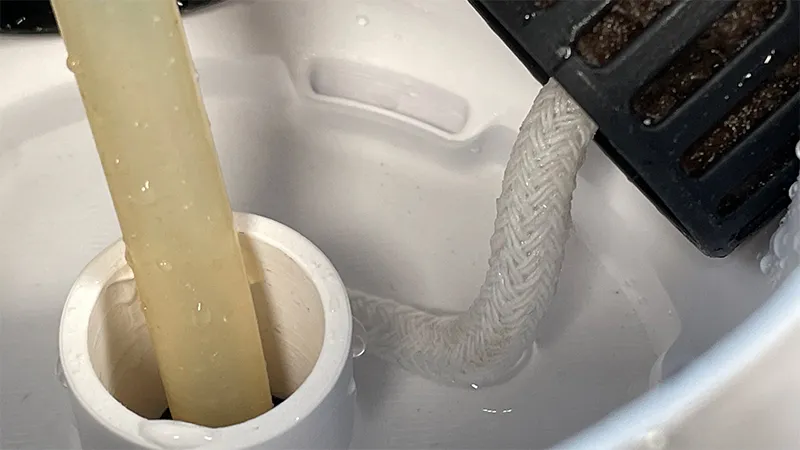
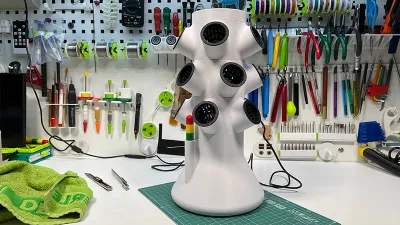
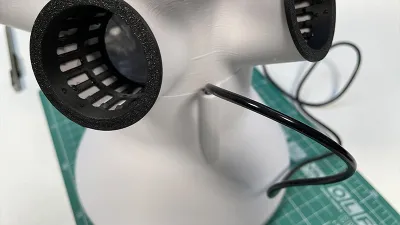
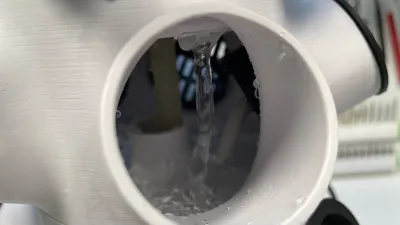
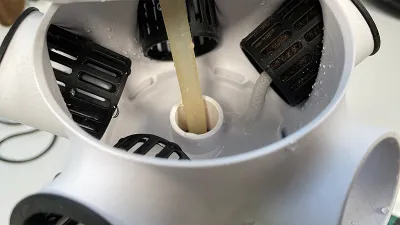
The tower is built from modular sections. Each section includes planting baskets and a water reservoir. Openings are staggered vertically to avoid overlap, and the bottom of each section includes a cavity to store moisture. Roots draw from this reserve through cotton wicks, which pull water upward.
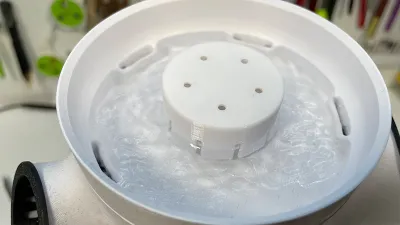
The bottom section acts as the base and main reservoir. If you plan to grow leafy plants like lettuce, you can add a height extension. This part mimics the top watering module in form, but it’s taller. It adds versatility to the whole system.
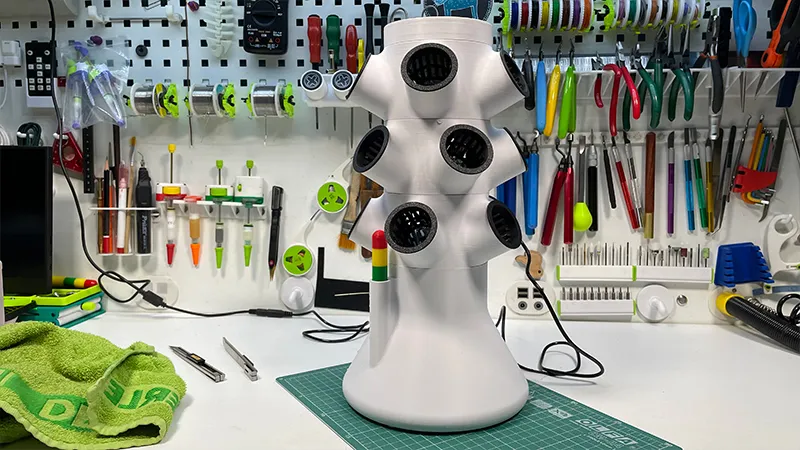
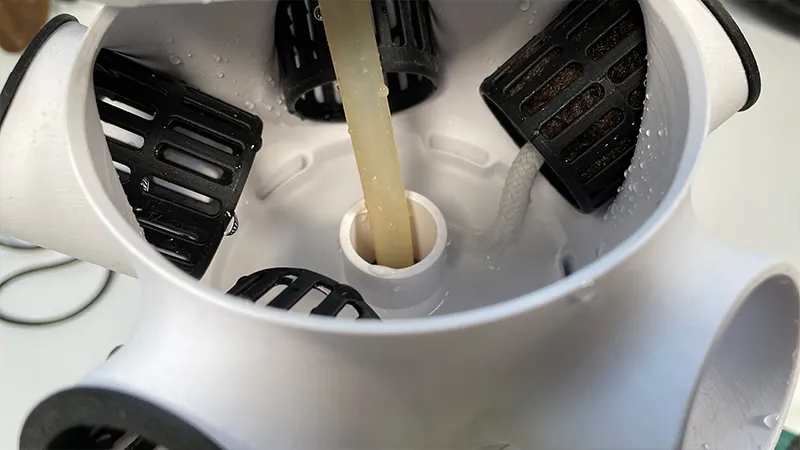
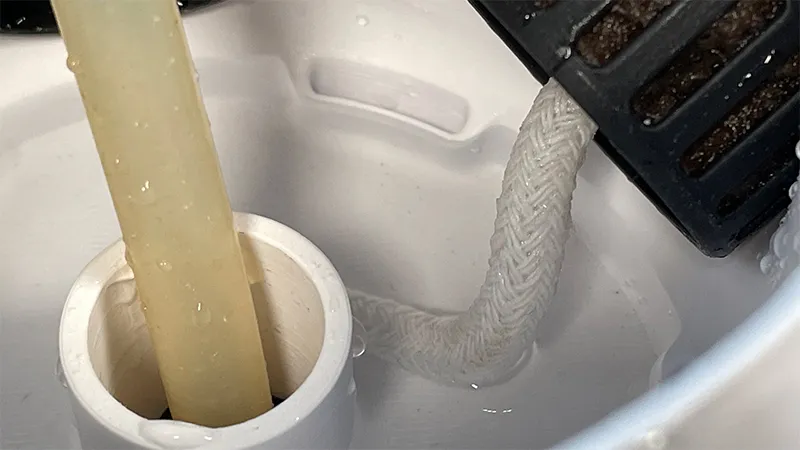
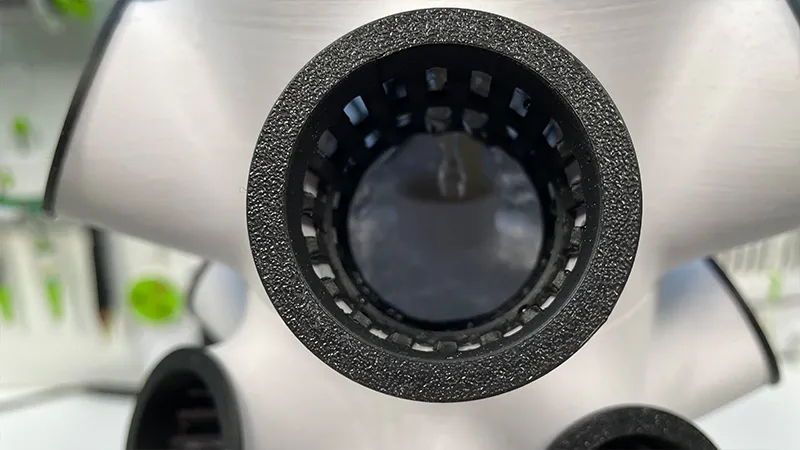
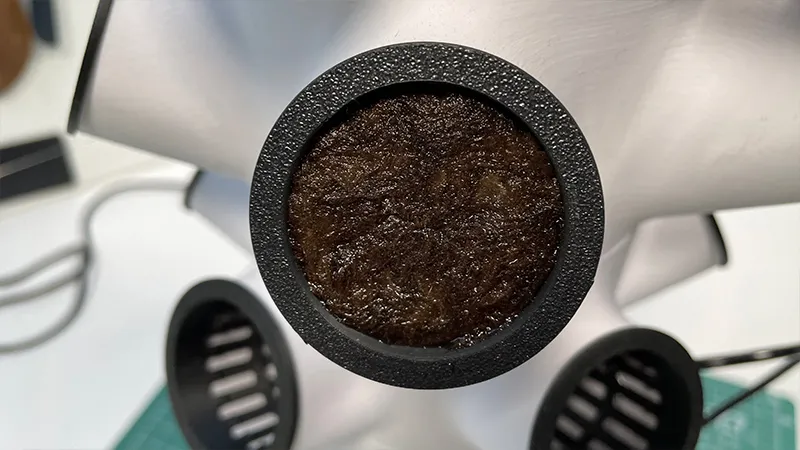
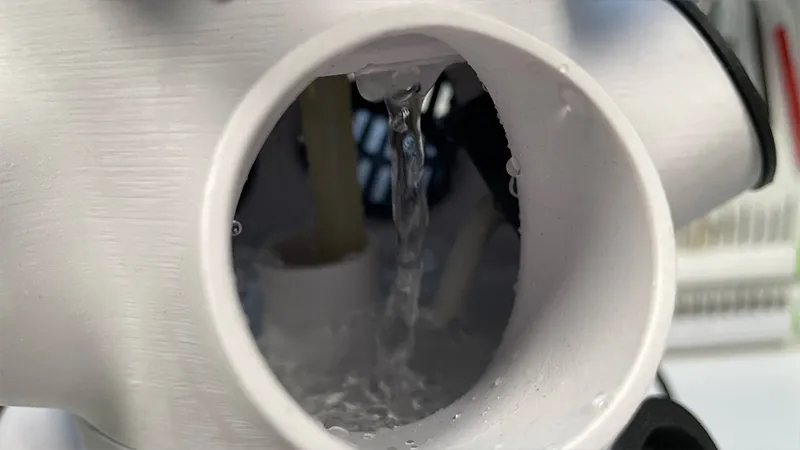
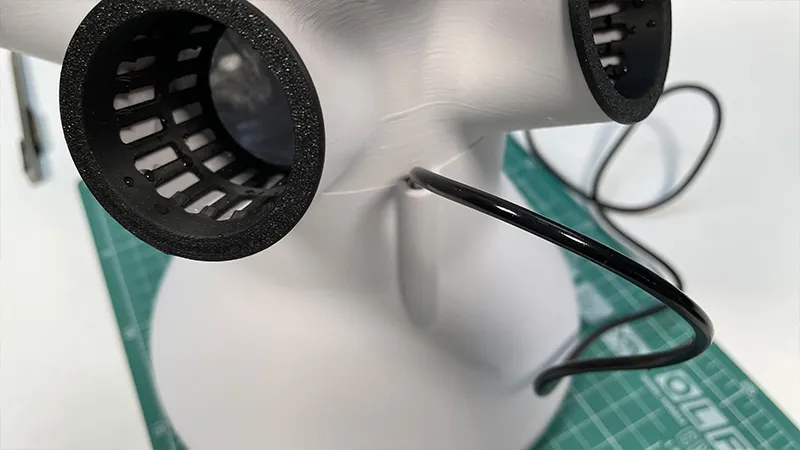
Before starting operation, nutrient solution should be added through the top until the float indicator rises to the green mark — this confirms the reservoir is full.
3D Printing Recommendations
I printed the lower section using ABS plastic (eSUN Cold White) and a dedicated support material for ABS. This ensured a tight seal, sharp contours, and structural integrity.
Recommendations:
- Material: ASA (preferred for UV resistance) or ABS + protective coating
- Color: White (best for light reflection and root protection)
- Layer height: Fine (0.16 mm or smaller) for better seal integrity
- Finish: Clear lacquer with UV protection
- Testing: Always test for leaks. It’s better to seal it once than deal with spills later
Avoid dark plastics — they overheat, degrade faster under sunlight, and let light through. Especially with thin walls. White plastic + lacquer is not only functional, it’s reliable.
Unlike systems based on PVC or ventilation pipes that need internal blackout layers, this tower is opaque by design. Eventually, the foliage will cover its surface, providing natural shading.
Plant Compatibility
Hydroponic systems require consideration of plant compatibility. Some plants can suppress others. For example, peppers can inhibit lettuce. This is due to root chemistry and microbiome interactions.
If you plan to grow mixed crops, choose companion plants wisely. Good combinations include: basil, lettuce, mint, arugula. Avoid planting everything together — it may lead to uneven growth or plant die-off.
In a future post, I’ll share a plant compatibility chart for towers. For now, rely on well-tested combinations.
Project Development
A watering timer, lighting, and microcontroller are planned. For now, the tower can be used manually with the following essentials:
- A sunny location (balcony, windowsill)
- pH meter and TDS/EC meter
- Willingness to monitor and adjust parameters
Full automation will follow soon, including LED lighting and scheduled pump control.
Supplement
I also recommend downloading the project files in 3MF format. These files include not only the geometry but also metadata that will help you understand the construction details—what, how, with what, and why each part was designed the way it was. This greatly simplifies understanding how to print the tower. The model itself isn’t exactly simple. It might look straightforward at first glance, but keep in mind—we’re dealing with liquids and the need for watertightness. And that introduces its own set of challenges.
Conclusion
In the video, you can see how the tower looks, how easily it assembles, and how it functions. I hope my project proves useful to you and that this system becomes a reliable companion in growing fresh plants year-round.
See the video for details:

If you liked this thing - let me know by putting like!
Parts links below:
- Water Pump 12V
- ACDC 12V 3A power adapter
- Silicone Tube
- Cotton Wick
- eSUN eABS+HS
- Calibration PH Buffer
- 5 In 1 Digital PH TDS EC Meter
Links to used tools:
My new machine:

My favorites:
Thank you for every tip or donation,
it means great recognition for me and helps a lot to keep going!

BTC:bc1qplpzq36ghw84hty4nn2zzu4ps4sdh4th0v93j8
ETH:0xc766ebbeAa76aaf629788c8F99C33A8d80d48977
Originality of the Model
The author declares that this work is their personally original model
This model is licensed under the following terms:
Credit must be given to the creator
Models(13)
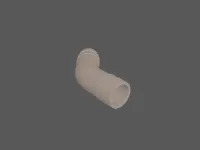 Pump Fitting.STLDesigner
1.96 MB

2025-06-20
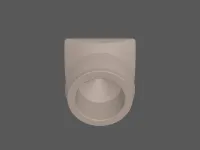 Pump Holder.STLDesigner
2.66 MB
2025-06-20
 Flaskform Container.STLDesigner
3.80 MB
2025-06-20
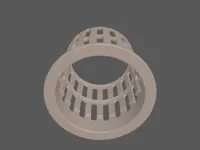 Hydroponics Basket 38x43.STLDesigner
49.03 MB
2025-06-20
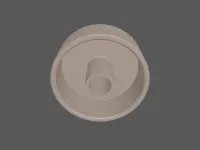 Lid Fitting A.STLDesigner
1.27 MB
2025-06-20
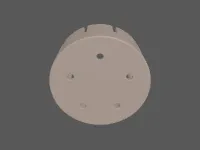 Lid Fitting B.STLDesigner
28.54 MB
2025-06-20
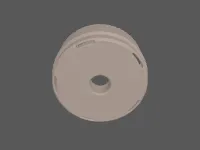 Section Extender 30 mm.STLDesigner
14.67 MB
2025-06-20
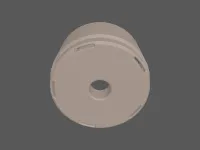 Section Extender 50 mm.STLDesigner
14.62 MB
2025-06-20
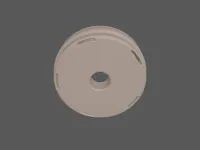 Cup.STLDesigner
14.71 MB
2025-06-20
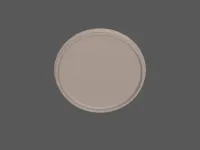 Lid.STLDesigner
909.65 KB
2025-06-20
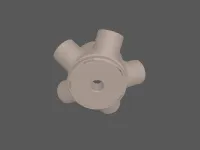 Section.STLDesigner
28.39 MB
2025-06-20
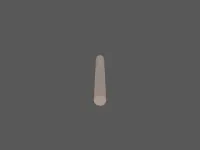 Water Level Float.STLDesigner
2.62 MB
2025-06-20
- Tower Hydroponic System.3mfDesigner
22.49 MB
2025-06-17
View all(13)


