




Toys
Board Games
Puzzle Game
Playing Cards
Children
Puzzle‑related
Parent–Child
Gaming

- 0.16 mm layer height, 6‑layer walls, 100% infill density

2-disc
PLA
Designer 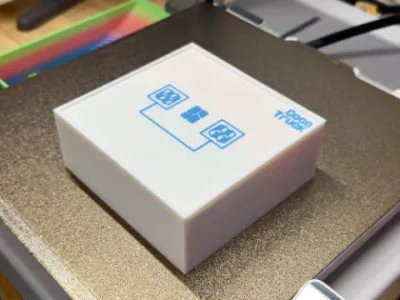 0.2 mm layer height, 3‑layer walls, 100% infill density
1-disc
PLA
Designer

6

2
[Topzhu Edition – Memory Match Cards] |
I. Card Overview
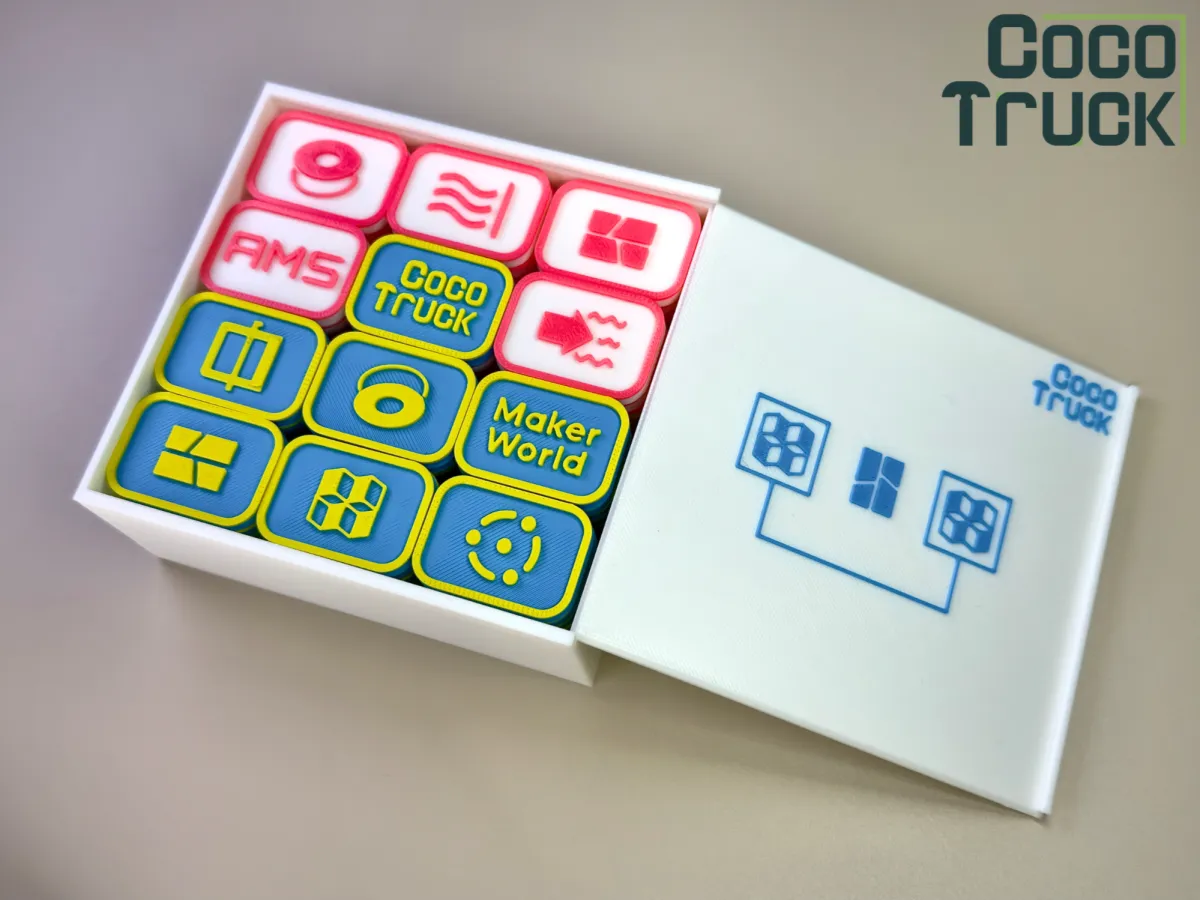
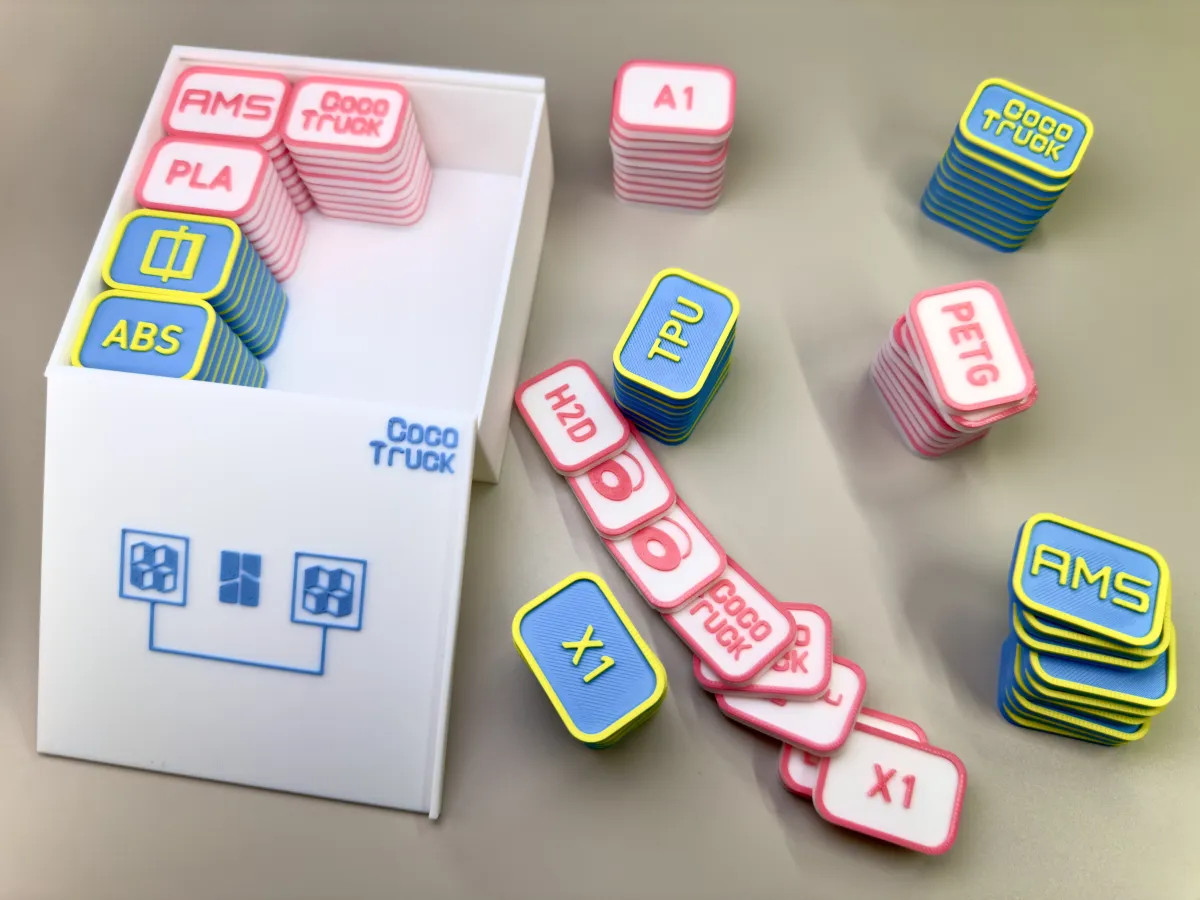
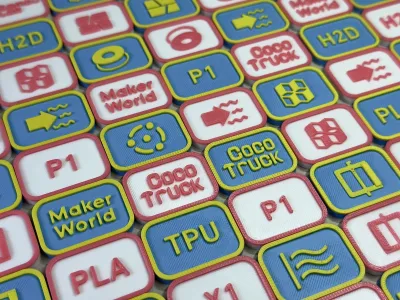
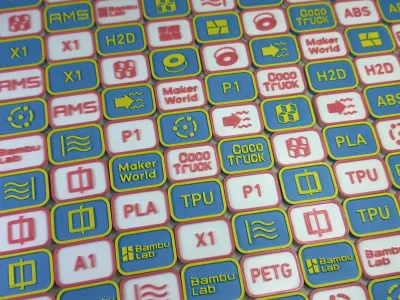
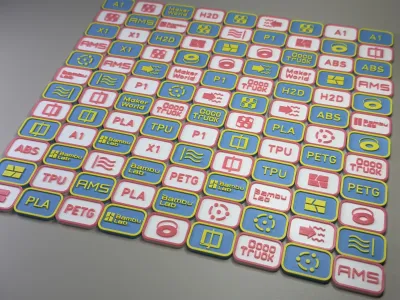
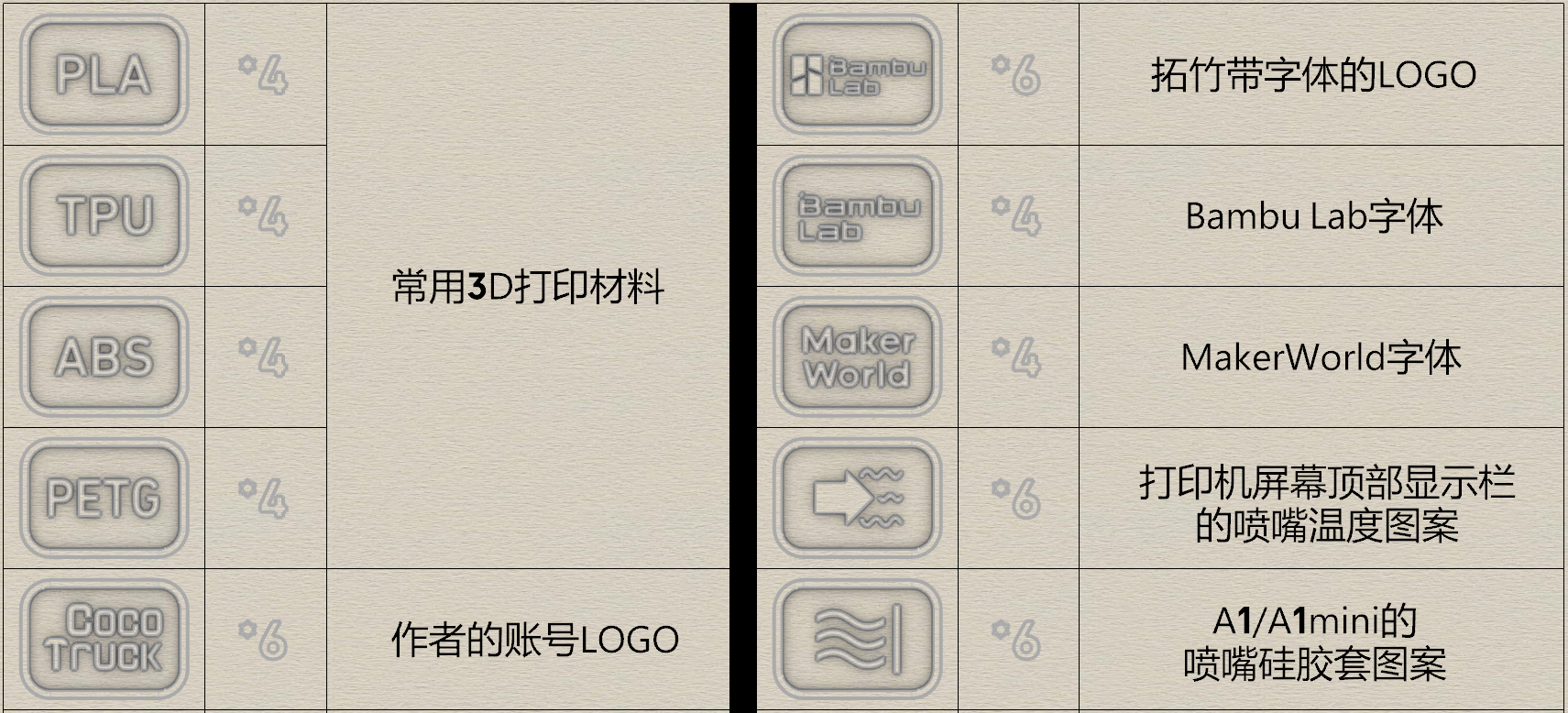
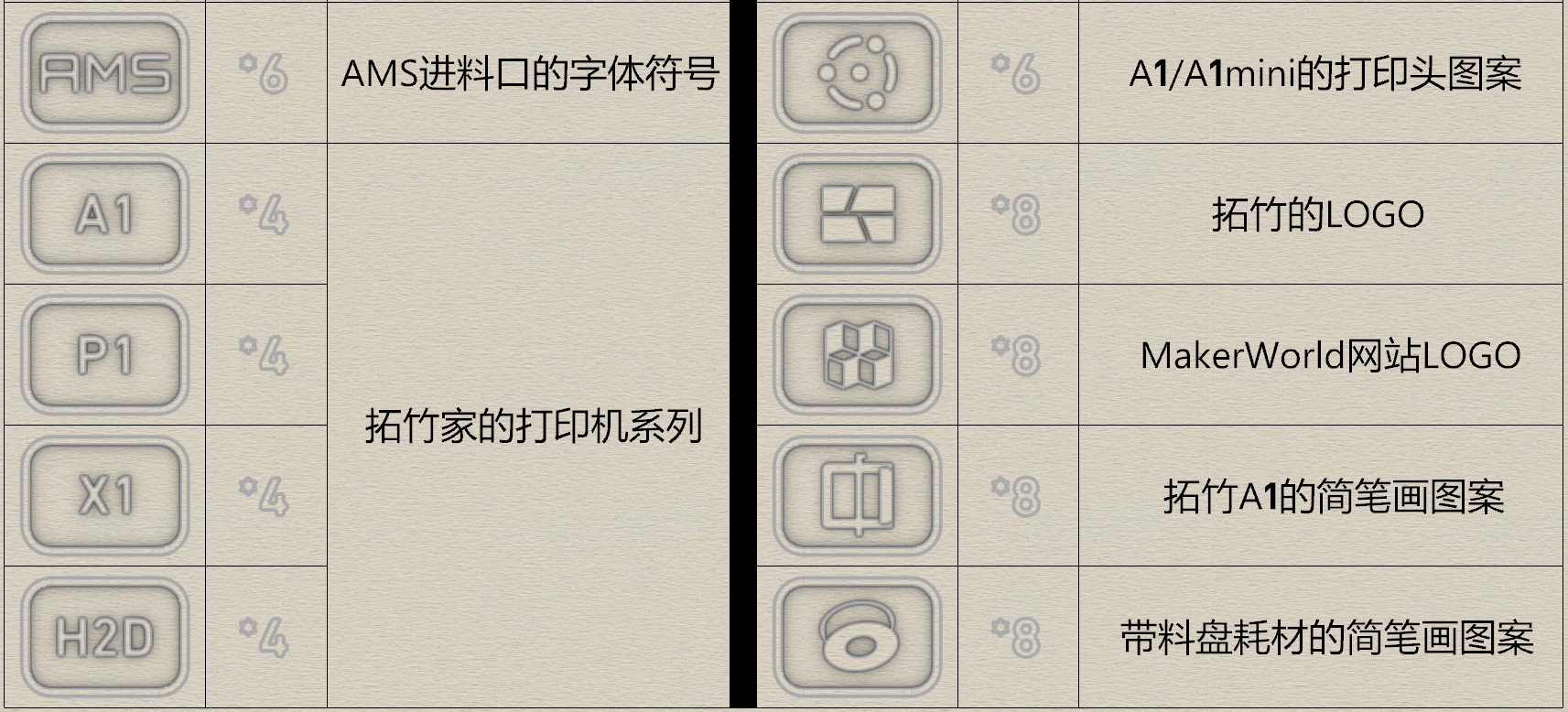
These cards feature 20 unique designs sourced from Topzhu and the world of 3D printing, totaling 108 cards. The distribution and specific content are as follows:

II. Versatile Gameplay Options
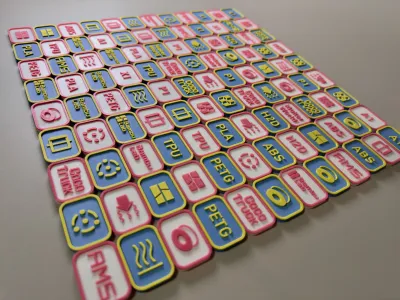
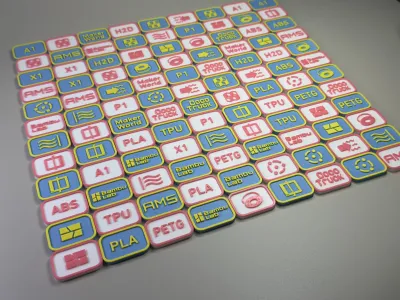
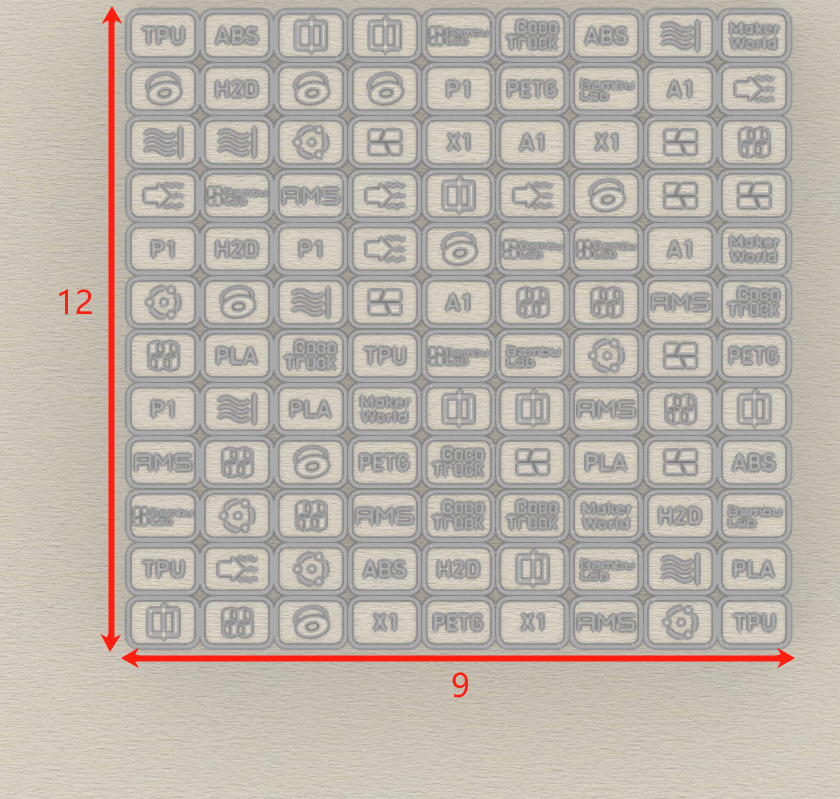 We recommend arranging the cards in a 9×12 grid, as shown in the image.
① Line‑Connecting Elimination Mode:
Shuffle the cards and lay them out face down on the table. Begin connecting matching pairs starting from the edges—lines may bend twice, forming three consecutive straight segments—to eliminate the cards.
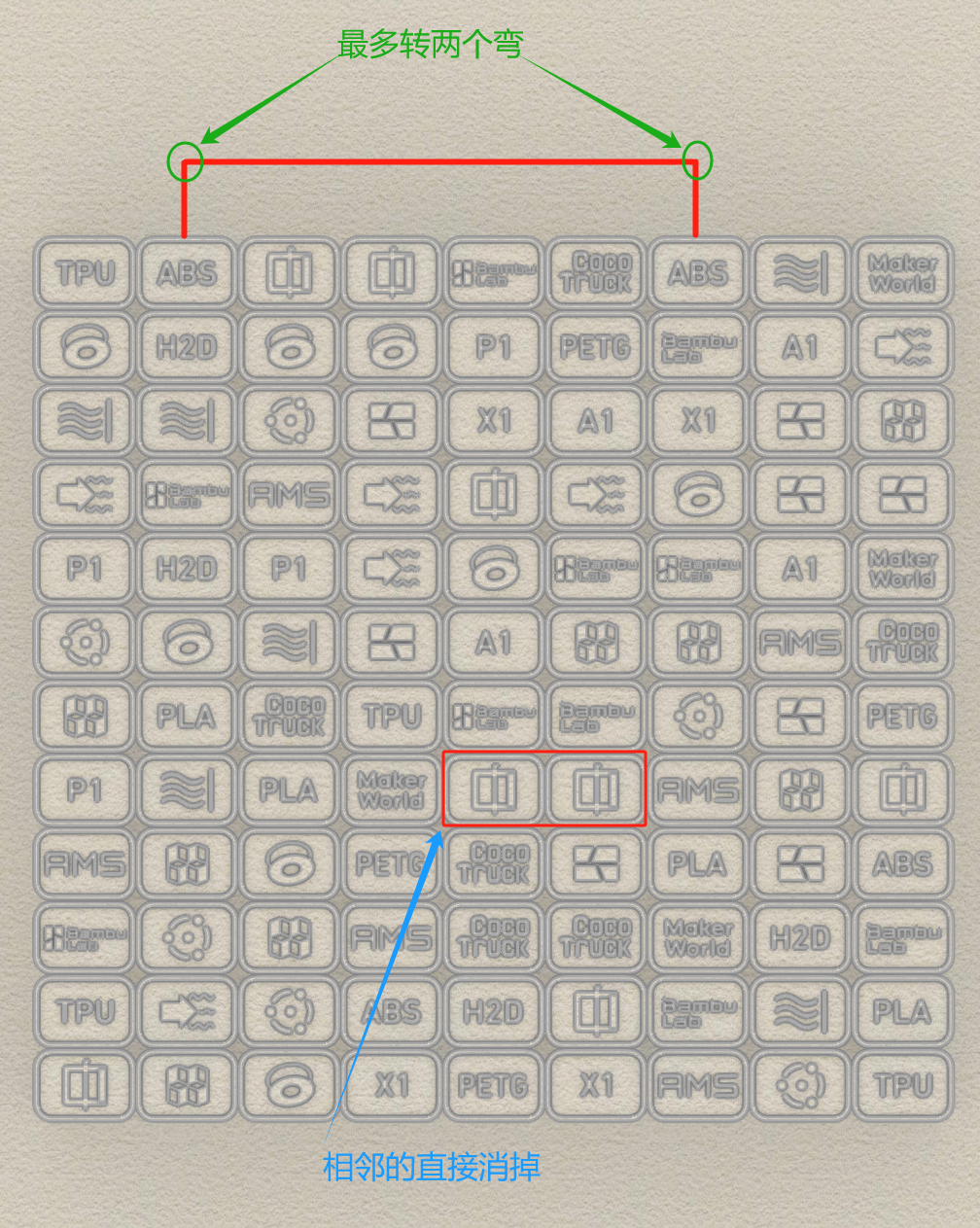
② Adjacent‑Matching Elimination Mode:
Swap the positions of two adjacent cards to align two or more cards with identical patterns, thereby eliminating them. (This gameplay is similar to that of popular match‑three games like “Happy Connect” or “Candy Crush”.)
③ Memory‑Based Elimination Mode (for Two‑Player Play):
Based on the line‑connecting rules from Mode ①, first shuffle the cards and lay them out face down. Both players have 1 minute to memorize the card positions.
Next, flip all the cards over so that the back sides are facing up.
When the game begins, one player flips over two cards. If the patterns match, the matched cards are eliminated—and be sure to set those eliminated cards aside to tally your score—then continue flipping cards until you uncover mismatched pairs. If the patterns don’t match, turn the cards back over to their original, face‑down side, and let the other player take their turn. The process repeats in rounds…
Once all the cards have been flipped and eliminated, the player who has removed the most cards wins!
Advanced Gameplay: Building upon Mode ③, introduce the concept of color factions. Before the game begins, each player selects a color faction. At the end of the game, for every card eliminated by a player, only the cards belonging to their own color faction are counted toward their final score—only the number of cards in their own color faction that they’ve successfully eliminated matters. The player with the higher count of cards in their own color faction emerges victorious! (It’s not just about collecting more cards—it’s also about strategically acquiring more of your own color cards while preventing your opponent from claiming theirs!)
④ Use as Scorekeeping Tokens for Other Games:
For example, these cards can serve as virtual currency in games like “Three Card Poker”:
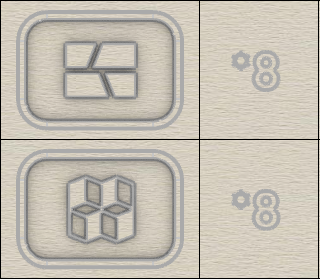 Two cards of this high‑frequency suit are worth 1 point, making them easy to exchange.
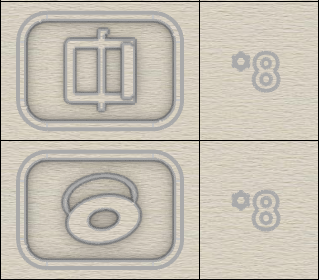 Two cards of this high‑frequency suit are worth 2 points.
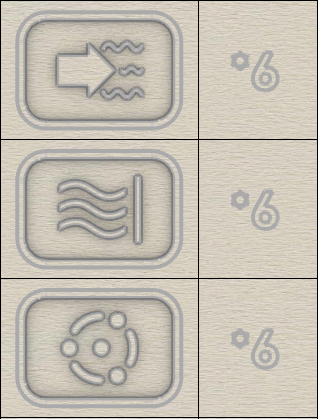 Multiply the quantity by 6, then assign a uniform score of 5 points.
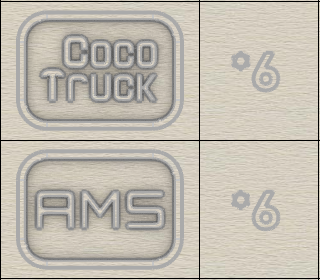 Multiply the quantity by 6, then assign a uniform score of 5 points.
 Multiply the quantity by 6, then assign a uniform score of 5 points.
 Standard cards, multiplied by 4, are worth 10 points.
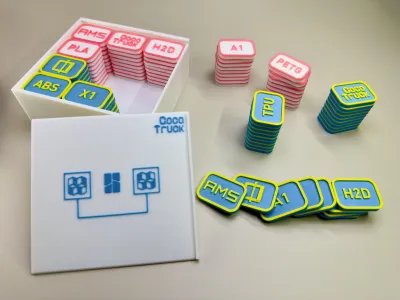
Tip: The lid may deform easily—make sure to allow the pieces to cool completely before removing them.
Originality of the Model
The author declares that this work is their personally original model
This model is licensed under the following terms:
This work is licensed under a Standard Digital File License. Digital files have a strict non-commercial, personal use only license.
You shall not share, sub-license, sell, rent, host, transfer, or distribute in any way the digital file or 3D printed versions of this object, nor any other derivative work of this object in its digital or physical format (including remixes of this object). You can not host these files on other digital platforms, web stores or cloud repositories. The objects may not be used in any way whatsoever in which you charge money, collect fees.
Models(2)
- 3D打印版连连看.3mfDesigner

4.01 MB

2025-10-16
- 收纳盒.3mfDesigner
153.53 KB
2025-10-16


