




Home Furnishings
Decorative items
Office Supplies
Desktop Decorations
Decorative Figurine
Vase
Flower Pot
Cup
Cup
Artwork
Song Dynasty Porcelain
Chinese Porcelain
Porcelain
Cultural relics
Museum


6

2
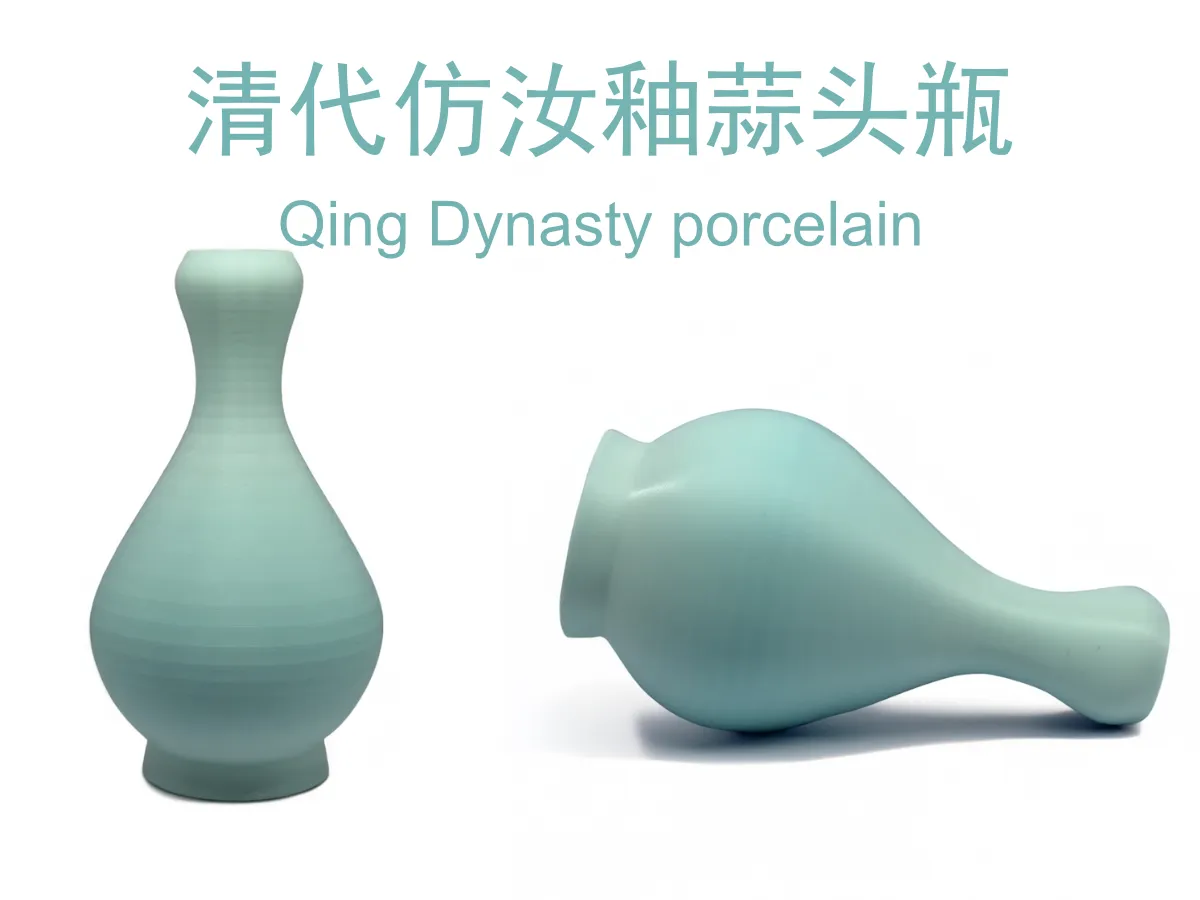
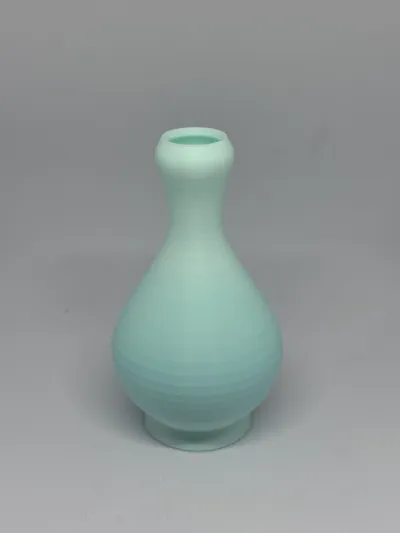
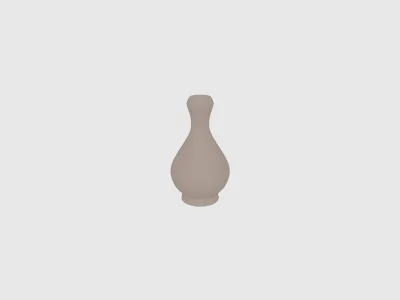
1. Form: The Garlic‑Head Bottle (The Form)
The garlic‑head bottle was one of the most popular vase styles during the Ming and Qing dynasties, its design tracing back to the bronze garlic‑head ewers of the Warring States, Qin, and Han periods.
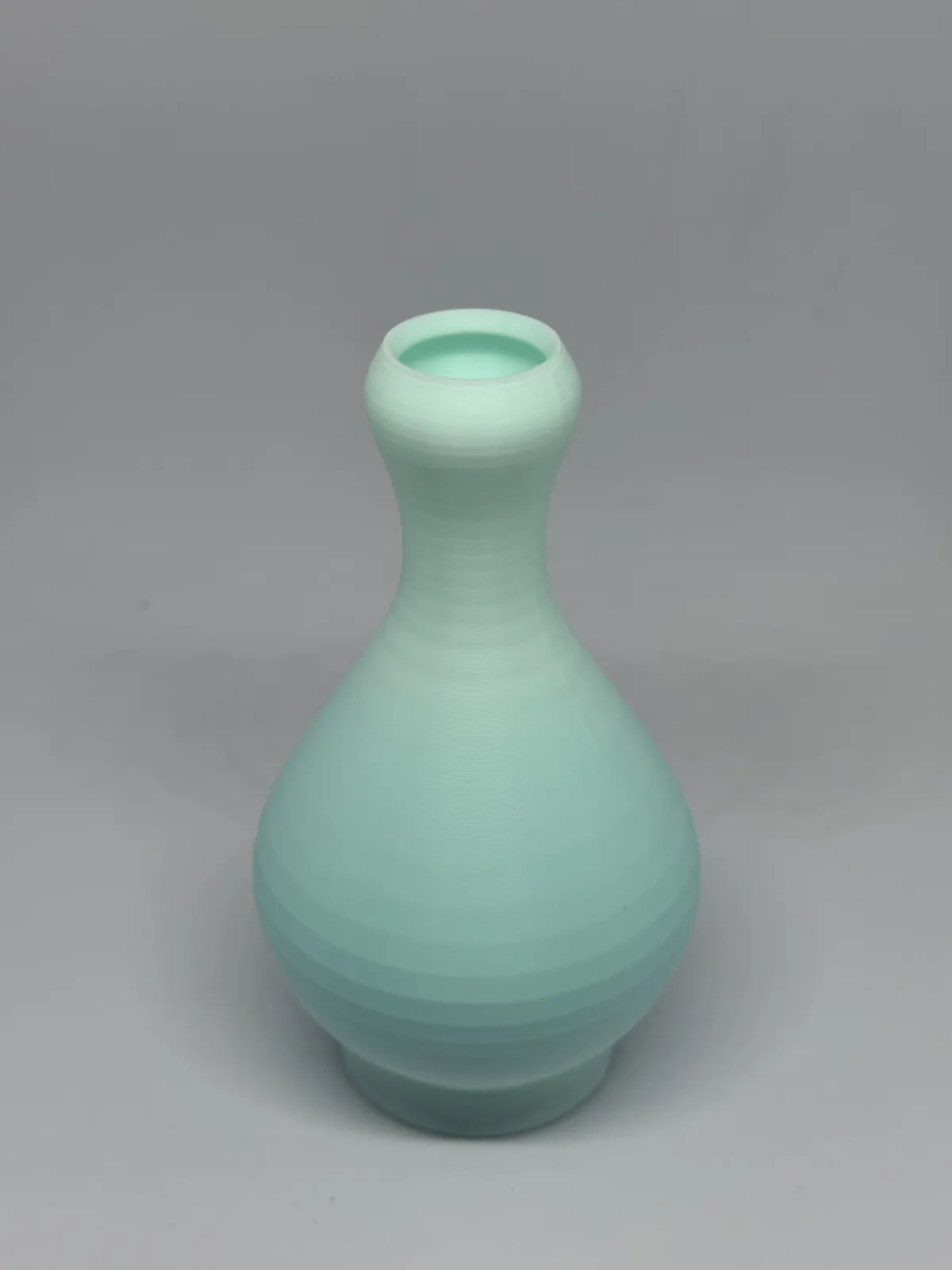
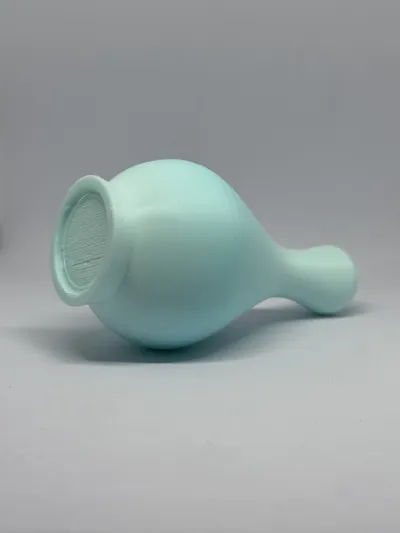
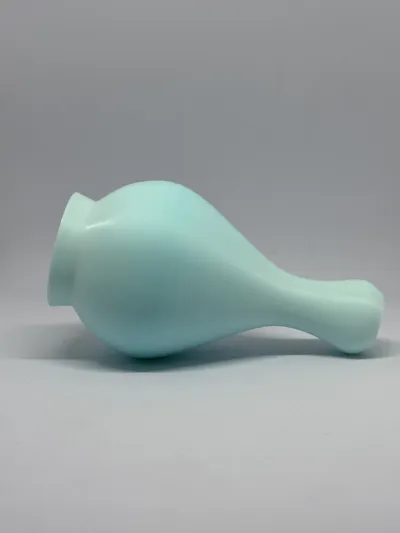
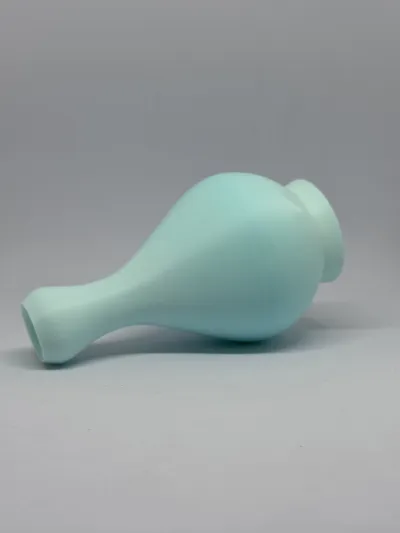
- Structural Characteristics: The vessel features a bulbous mouth resembling a garlic head, a slender neck, and a rounded, drooping belly—often with gently sloping shoulders and a softly curving, full-bodied form—topped by a circular foot.
- Evolution of Linework: Compared to Ming dynasty garlic‑head bottles—such as those from the Wanli period—their lines in the Qianlong era are markedly more graceful and perfectly proportioned. The neck flows smoothly into the body, which is both plump and well balanced, while the overall proportions are meticulously refined, capturing the dignified elegance befitting the imperial court during the prosperous Qianlong reign.
2. Glaze: Imitation Ru Glaze (The Imitation Ru Glaze)
Emperor Qianlong had a deep admiration for Song dynasty porcelain and repeatedly issued imperial edicts instructing the Imperial Kiln Factory to replicate the renowned kilns of the Song era. Among these, imitating the Ru glaze was considered one of the most challenging undertakings.
- Glaze Color: The goal was to achieve the delicate sky‑blue hue evoking the phrase “after the rain, the sky clears and clouds part”—a soft, ethereal azure. Qianlong’s imitation Ru glaze typically presents a grayish-blue tone, with a thick, lustrous glaze that exudes a restrained sheen—not overly bright or glaring like ordinary white porcelain, but rather a subtle, “buttery” semi‑matte finish reminiscent of rendered butter.
- Crackles: Authentic Ru ware from the Song dynasty often displays intricate “crab‑claw cracks” or delicate “fish‑egg cracks.” Qianlong’s imitation Ru glaze likewise produces fine, closely spaced fish‑egg crackle patterns, with natural, organic lines that imbue the piece with an unmistakable sense of ancient charm and timeless elegance.
Originality of the Model
The author declares that this work is their personally original model
This model is licensed under the following terms:
This work is licensed under a Standard Digital File License. Digital files have a strict non-commercial, personal use only license.
You shall not share, sub-license, sell, rent, host, transfer, or distribute in any way the digital file or 3D printed versions of this object, nor any other derivative work of this object in its digital or physical format (including remixes of this object). You can not host these files on other digital platforms, web stores or cloud repositories. The objects may not be used in any way whatsoever in which you charge money, collect fees.
Models(1)
 仿汝釉蒜头瓶.stlDesigner
14.83 MB

2025-11-23


