




Aeromodeling drones
Helicopter
Propeller Balancing

- 0.1 mm layer height, 2‑wall structure, 15% infill density

1-disc
PETG
Designer

7

0
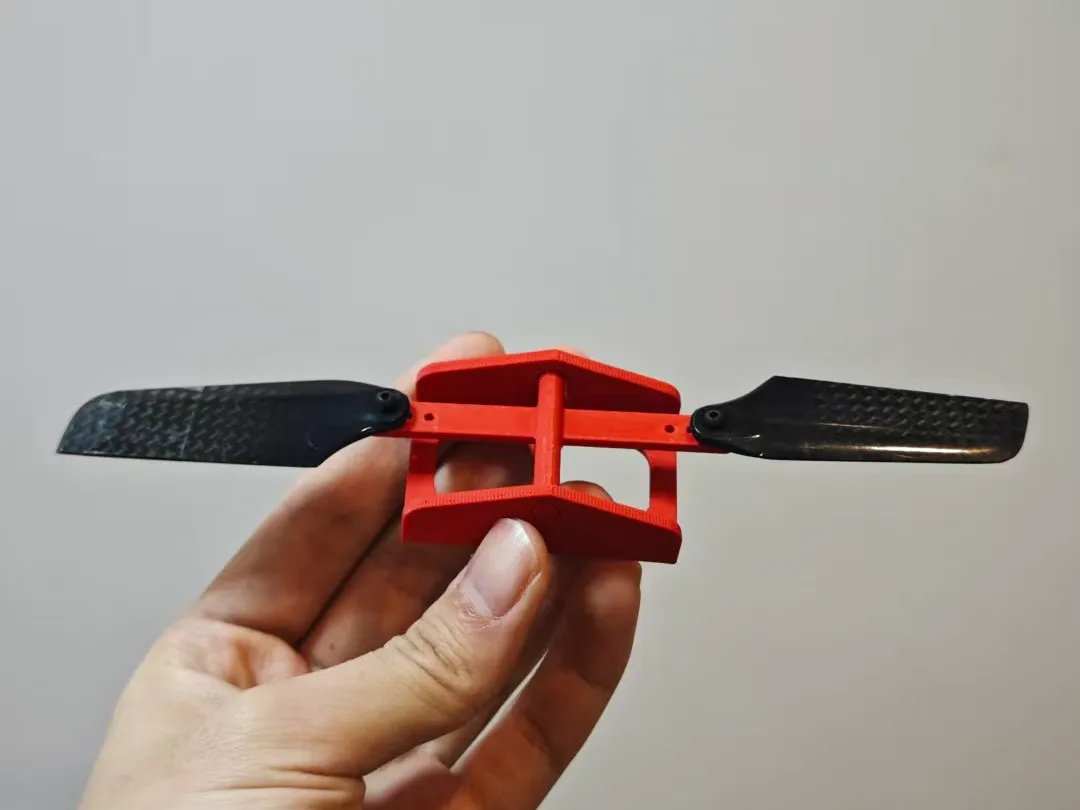
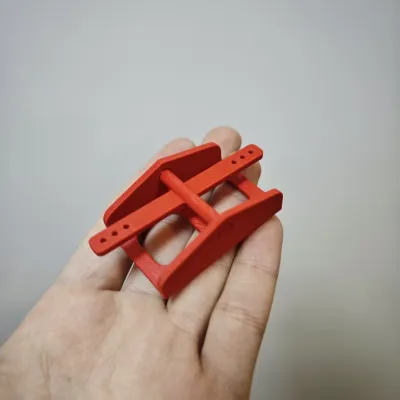
This is a tail rotor mass balancer designed specifically for model helicopters such as the GAUI X3. It addresses vibration issues caused by uneven mass distribution during high‑speed tail rotor rotation, making it an essential tool for enhancing flight stability.
Core Functions
Eliminate Vibration: Uneven mass distribution in the tail rotor can generate intense vibrations at high rotational speeds, which not only compromise handling but also accelerate wear on precision components like the tail shaft and bearings—and in extreme cases, even lead to delayed tail rudder response. This balancer precisely identifies and corrects mass imbalances in the tail rotor.
Enhance Control Precision: A well‑balanced tail rotor ensures more linear and accurate tail rudder response, particularly crucial in 3D aerobatic maneuvers where it significantly improves the stability of spins, rolls, and other complex aerial maneuvers.
Design Features
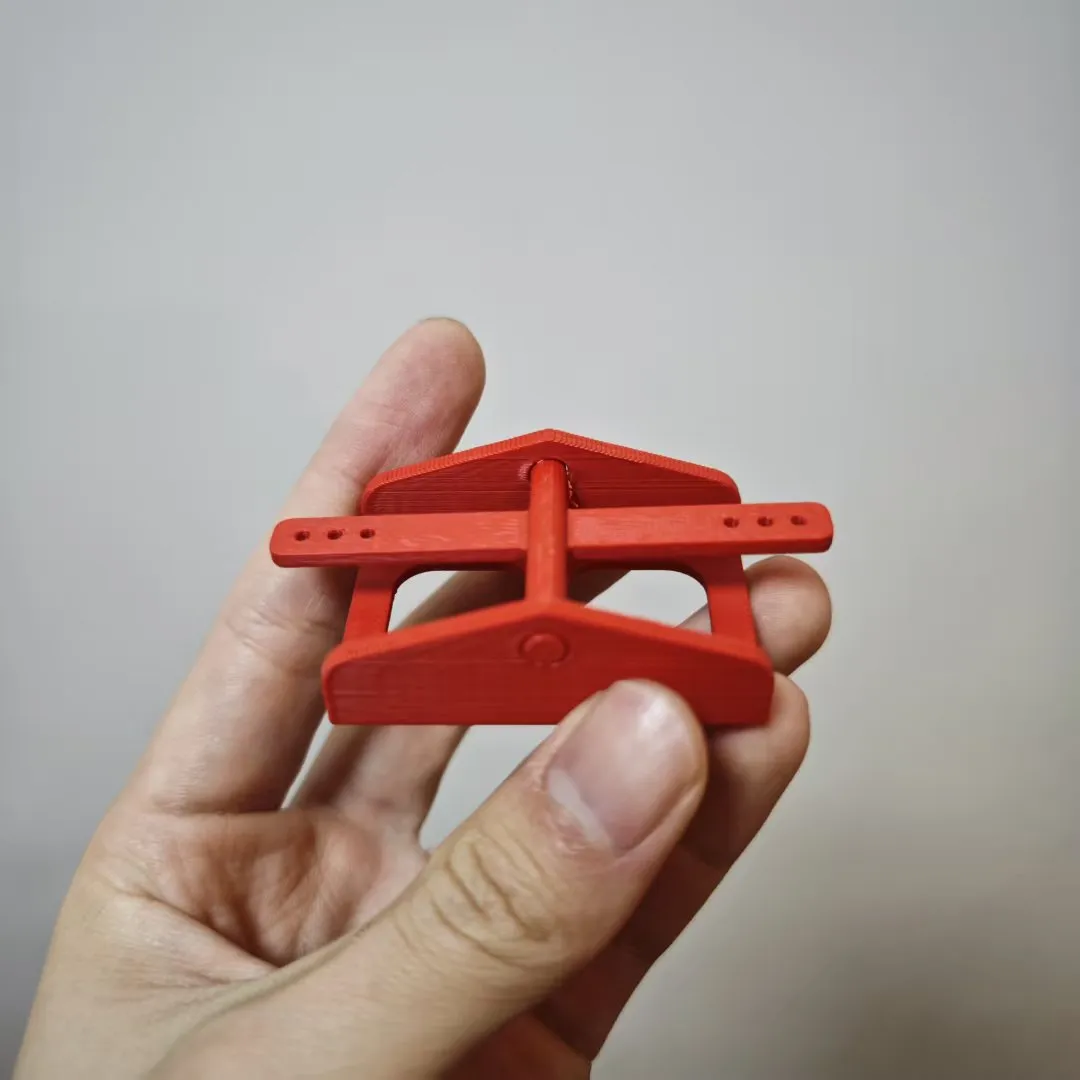
Precise Alignment: The central spindle fits perfectly into the tail rotor hub, allowing the rotor to rotate freely while simulating real‑world operating conditions—ensuring highly accurate balance measurements.
Wide Compatibility: Multiple hole patterns on the lateral crossbars enable the balancer to accommodate tail rotors of various sizes and pitch distances, whether they’re stock factory parts or upgraded carbon fiber models.
Lightweight and Durable: Constructed from high‑strength 3D‑printed materials with a hollowed‑out design, this balancer maintains structural integrity while minimizing weight—a critical factor to prevent the balancer’s own mass from skewing test results during calibration.
Portable and User‑Friendly: Its compact size makes it easy to carry to the flying field, allowing pilots to quickly inspect and adjust their tail rotors on the spot.
How to Use
Install the Tail Rotor: Mount the tail rotor onto the balancer’s central spindle, ensuring that the rotor blades can rotate freely without obstruction.
Check for Imbalance: Gently spin the tail rotor and observe its resting position. If one blade consistently dips lower than the others, it indicates that the corresponding side is heavier.
Adjust the Balance: Carefully sand down the edge of the heavier blade (in small increments, multiple passes) or apply a thin layer of balancing weights—such as lead tape—to the lighter side. Repeat the testing process until the tail rotor remains stable at any angle, achieving optimal balance.
Originality of the Model
The author declares that this work is their personally original model
This model is licensed under the following terms:
This work is licensed under a Standard Digital File License. Digital files have a strict non-commercial, personal use only license.
You shall not share, sub-license, sell, rent, host, transfer, or distribute in any way the digital file or 3D printed versions of this object, nor any other derivative work of this object in its digital or physical format (including remixes of this object). You can not host these files on other digital platforms, web stores or cloud repositories. The objects may not be used in any way whatsoever in which you charge money, collect fees.
Models(1)
- Document_1.3mfDesigner

86.61 KB

2026-02-12


