




Air purification
Air purifier
Exhaust Ventilation
Filtering
Air filtration
Duct Fan

 0.2 mm layer height, 2‑wall walls, 15% infill density
10-disc
PLA
Designer

20

2
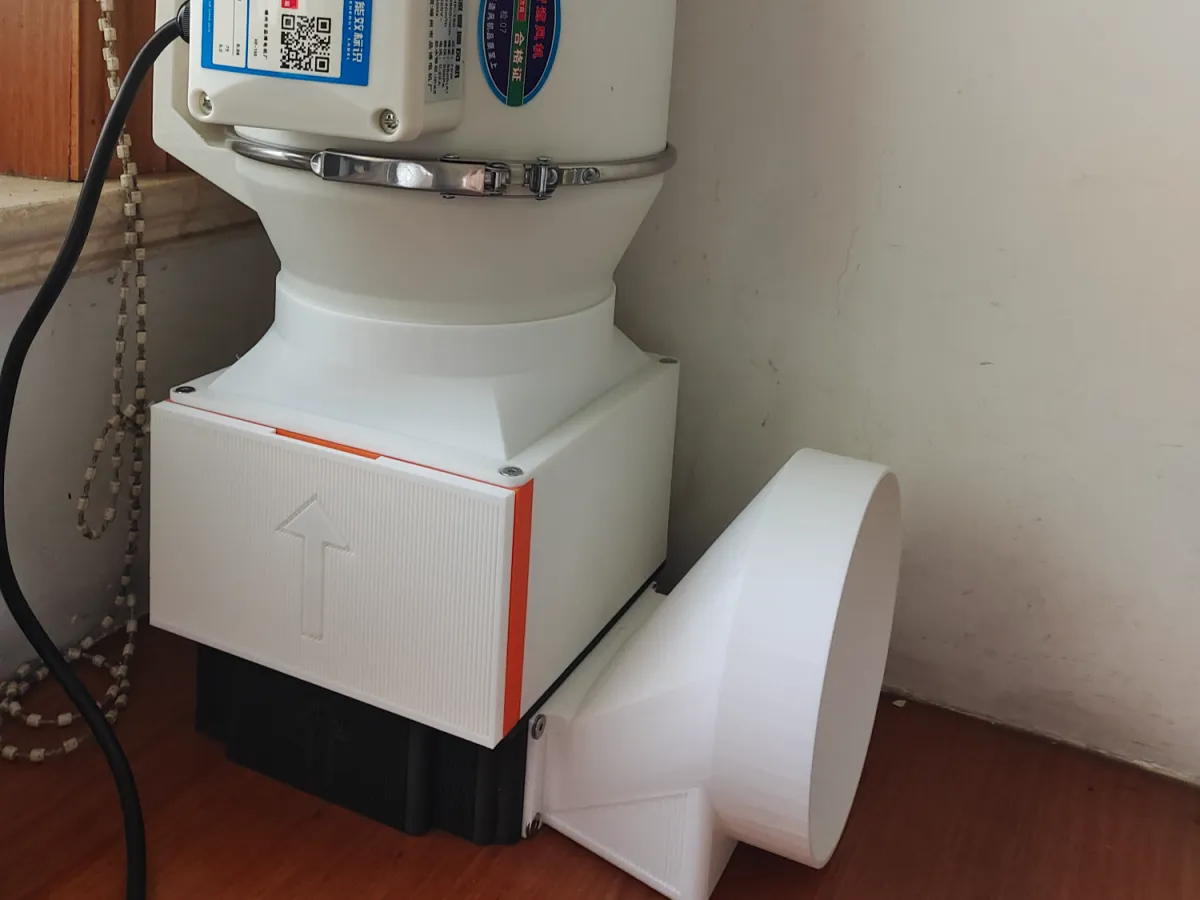
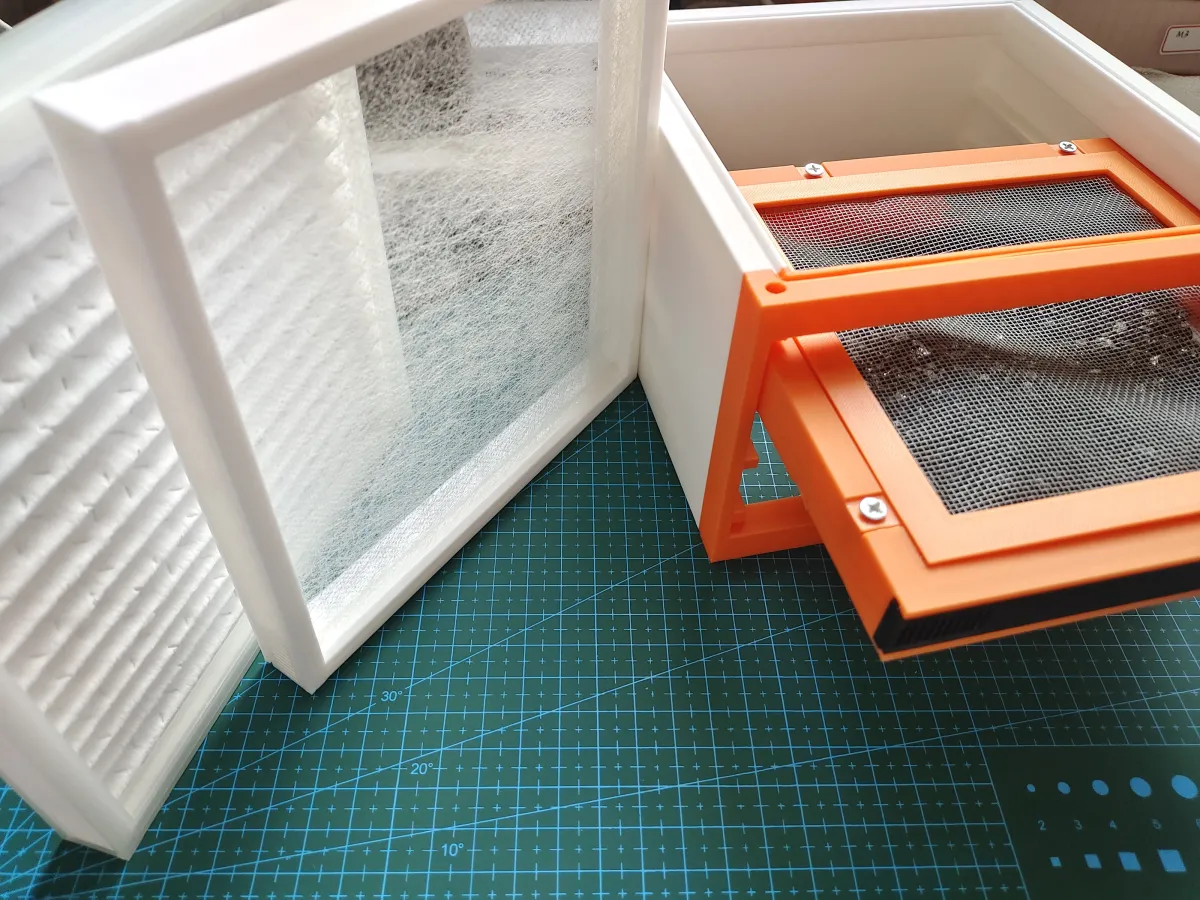
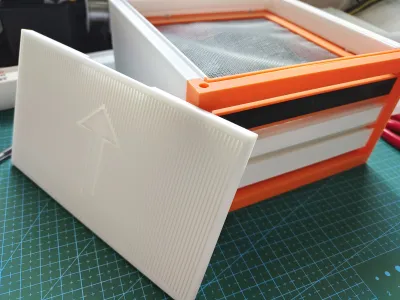
A ventilation and filtration box measuring 168mm x 168mm x 97mm (excluding pipe connectors), featuring three dedicated slots that can accommodate filter modules as needed. Each module includes a pre-filter cotton pad, a HEPA filter cotton pad, and activated carbon. The system boasts low consumable costs and offers flexible, easy-to-replace components.
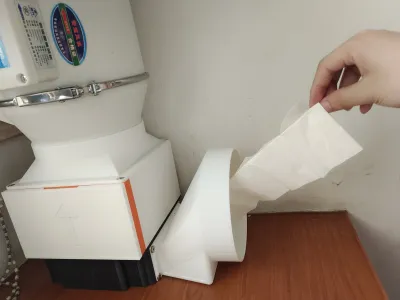
Primarily designed for air filtration in both photopolymerization and FDM printing applications, this unit is equipped with a 6-inch dual-speed duct fan, delivering noise levels well within acceptable limits. It creates negative pressure inside the enclosure when used with photopolymerization systems—my enclosure measures 120cm x 50cm x 100cm and houses a photopolymerization machine, a washing station, and a post-curing oven.
The box is constructed using PLA+ from Ailekujia; PETG has not yet been tested, but feel free to experiment if you’re interested—the PLA+ performs admirably in terms of strength. To be honest, it does consume a fair amount of material—future research will focus on optimizing weight reduction strategies. (As for the random color mix? Well, I ran out of filament halfway through the print… oops!)
The main body of the filtration box and its lower pipe connections are secured using M4 x 6 x 5 hot-melt nuts paired with M4 x 8 flat-head screws (the accompanying photos also show M4 x 9 x 0.8 washers being used). Alternatively, M5 self-tapping screws can also be employed.
For securing the activated carbon module, use M3 x 8 self-tapping screws—flat-head screws are preferred, though I didn’t countersink the holes, resulting in slightly protruding heads. While this adds a bit of resistance when inserting the screws, it doesn’t affect functionality.
The recessed grooves are designed to house 2mm-diameter sealing strips; in practice, even without the strips, the box maintains excellent airtightness.
Note: Although the main lid in the diagrams features a sealing strip, the dimensions are off—resulting in a lid that doesn’t quite seal properly. The configuration provided removes the sealing-strip groove from the lid altogether; simply snap the lid into place. During operation, the airflow pressure ensures the lid stays securely closed and won’t fall off. We’ll update the print settings once adjustments have been finalized.
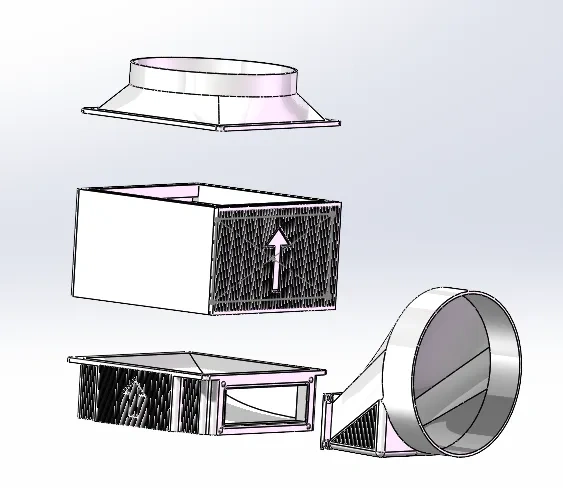
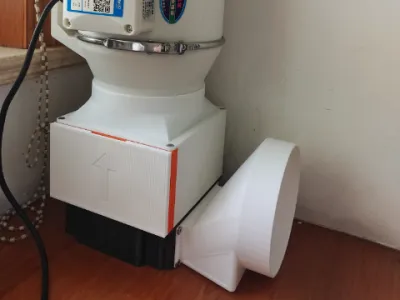
The pipe connector section includes a 150mm pipe interface that surprisingly fits perfectly with the 6-inch duct fan I purchased—slip it in seamlessly, saving me an extra piece of tubing.
To conserve materials, the lower interface was designed with a reduced height. When printing curved surfaces with angled slopes, layer separation becomes somewhat noticeable; while enabling variable layer heights can help mitigate this issue, it’s not a complete solution. Moving forward, I plan to print the curved surfaces and the box body separately.
Consumables:
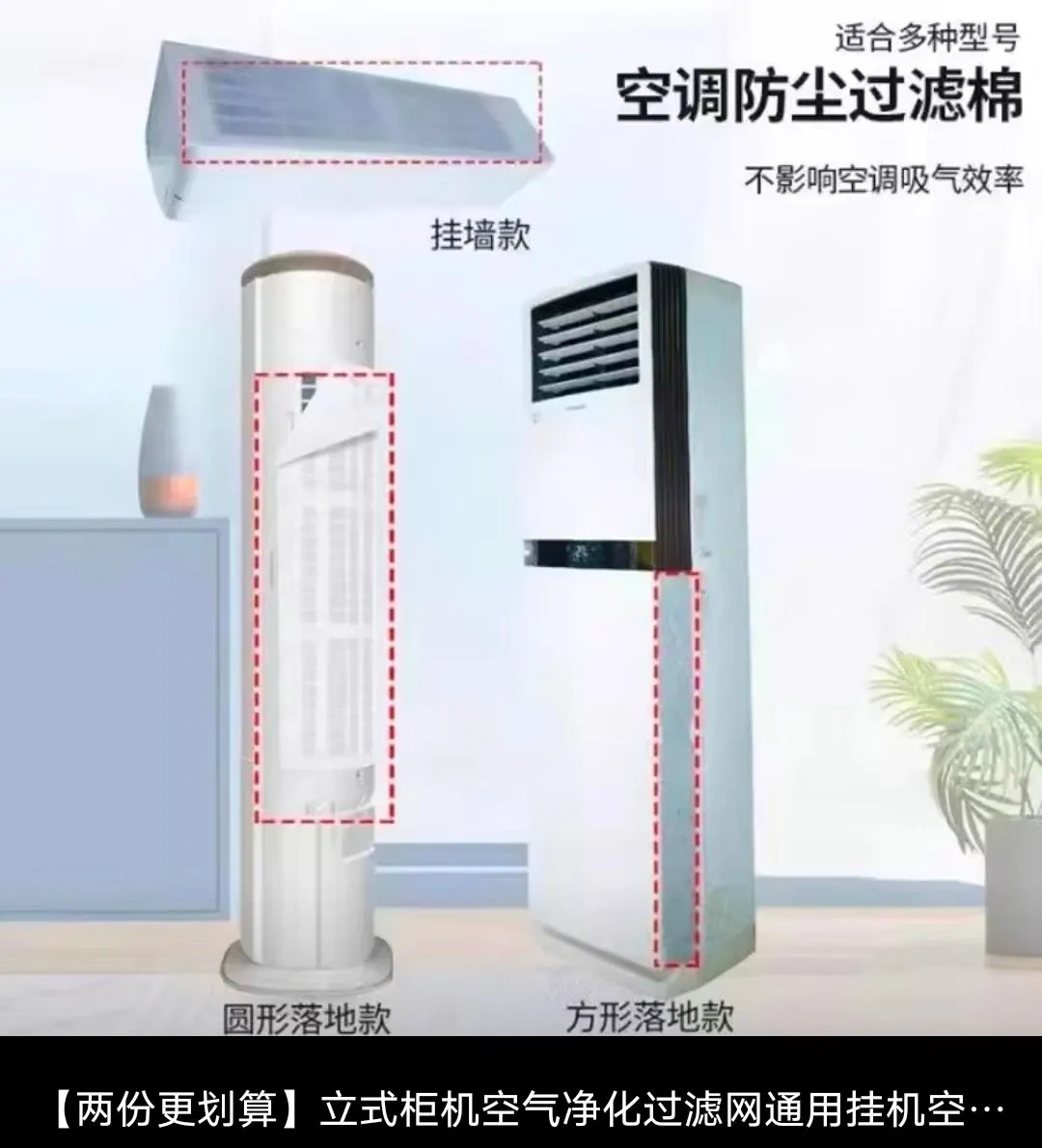
For the pre-filter cotton, I opted for air-conditioner dust‑proof filter pads—at just 3 yuan per 10 sheets (45cm x 100cm), each sheet can be cut into roughly 8 smaller pieces measuring 175mm x 175mm. It’s recommended to carefully measure and cut the pre‑filter cotton to match the dimensions of the filter holder. Secure the edges of the pre‑filter cotton to the inner surface of the holder using double-sided tape. Then, slide the cotton into the designated slots within the frame—if the pre‑filter cotton doesn’t fit snugly against the holder, applying a thin layer of clear tape can help ensure a secure fit.
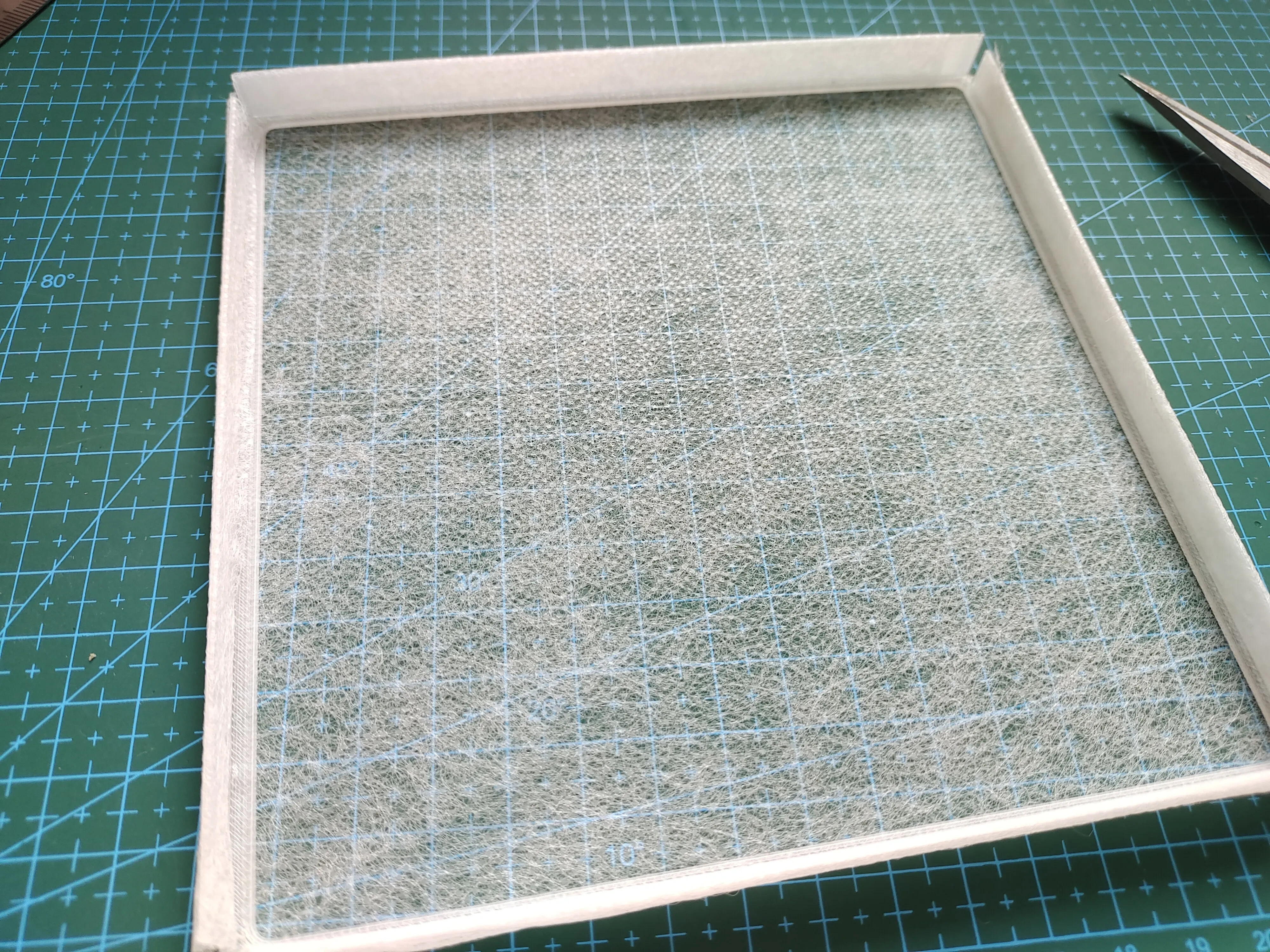
For the HEPA filter cotton, I purchased 30cm‑wide sheets folded to a 1cm height. My particular purchase was 100cm long, 30cm wide, with a 1cm fold—costing around 7 yuan—and these could be cut into 12 15cm x 15cm pieces. To secure the filter cotton, simply tuck both sides of the cotton into the frame.
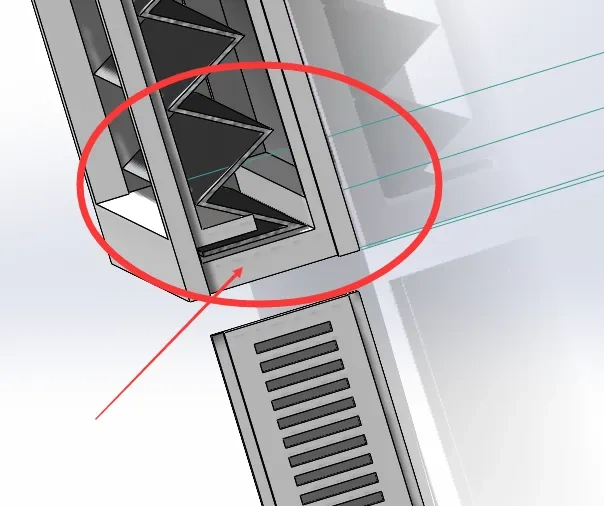
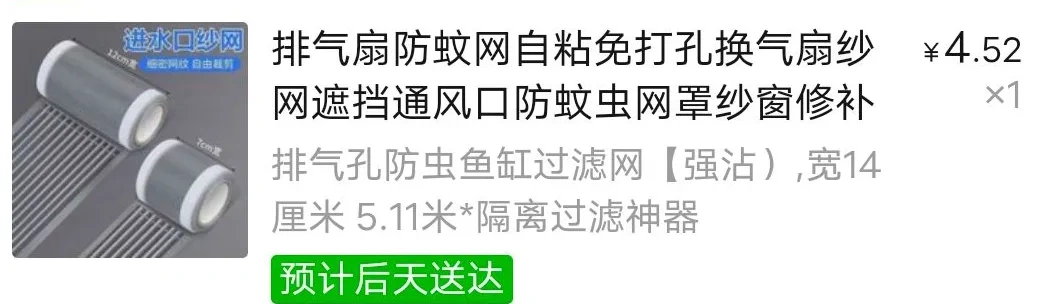
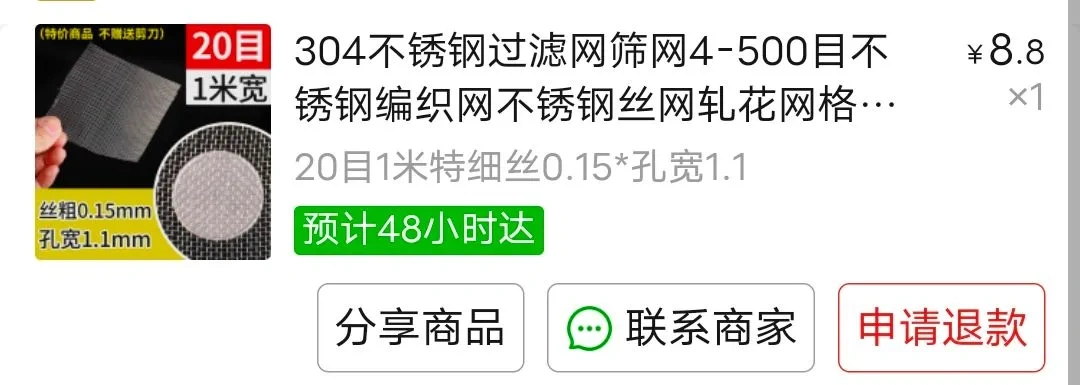
The activated carbon module requires activated carbon and a filter mesh—either stainless steel filter mesh or self‑adhesive ventilation screen mesh works well. The filter mesh should measure 140mm x 140mm.
The key difference lies in the installation process: stainless steel mesh needs to be cut to size, whereas self‑adhesive mesh only requires trimming to a length of 140mm.
I initially used stainless steel mesh—it was quite cumbersome. My preferred method was to first tape off the areas to be cut, then carefully trim the mesh. After cutting, I’d secure the edges with masking tape to prevent sharp metal wires from poking your hands.
The self‑adhesive mesh I received was made of plastic—just a quick snip and it adhered perfectly, making the process much more convenient.
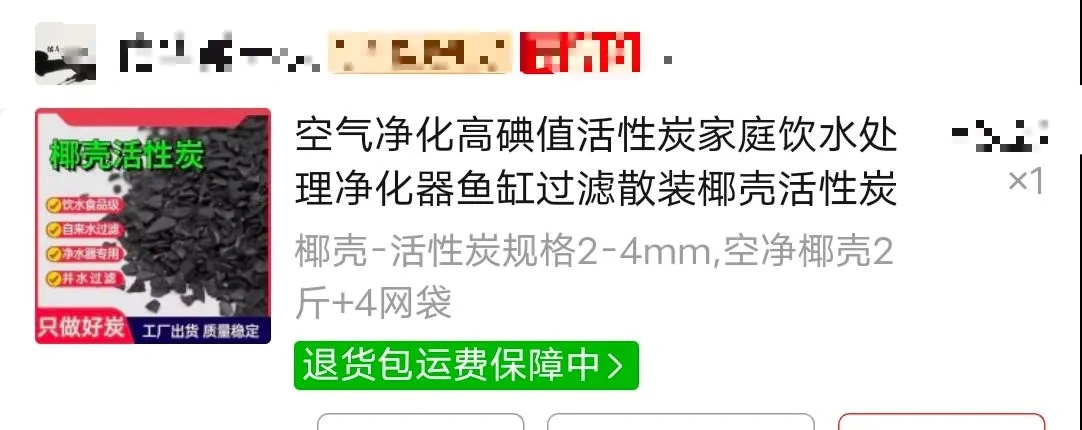
For activated carbon, I chose coconut shell activated carbon with particle sizes ranging from 2–4mm. Other types of activated carbon can also be used—as long as the particle size is no smaller than the mesh aperture you’ve selected.
You don’t need to fill the entire module with activated carbon—just enough to cover the filter media is sufficient. Adding too much may reduce airflow; instead, add activated carbon according to your specific needs.
Bill of materials
- NameQuantityNotes
- 1m4*9*0.8垫片12
- 2m4*8平头螺丝12
- 3自粘换气扇纱网/不锈钢过滤网1
- 4活性炭1
- 5初滤棉1
- 6m3*8自攻螺丝4
- 7m4*6*5热熔螺母12
- 8hepa过滤棉1
Originality of the Model
The author declares that this work is their personally original model
This model is licensed under the following terms:
This work is licensed under a Standard Digital File License. Digital files have a strict non-commercial, personal use only license.
You shall not share, sub-license, sell, rent, host, transfer, or distribute in any way the digital file or 3D printed versions of this object, nor any other derivative work of this object in its digital or physical format (including remixes of this object). You can not host these files on other digital platforms, web stores or cloud repositories. The objects may not be used in any way whatsoever in which you charge money, collect fees.
Models(2)
 过滤盒(3模块).3mfDesigner
740.81 KB

2026-03-10
- 过滤盒(3模块).3mfDesigner
773.14 KB
2026-04-03


