




dragon
dungeons and dragons
dragons
angry


6

0
1. Geometric Details and Aesthetics:
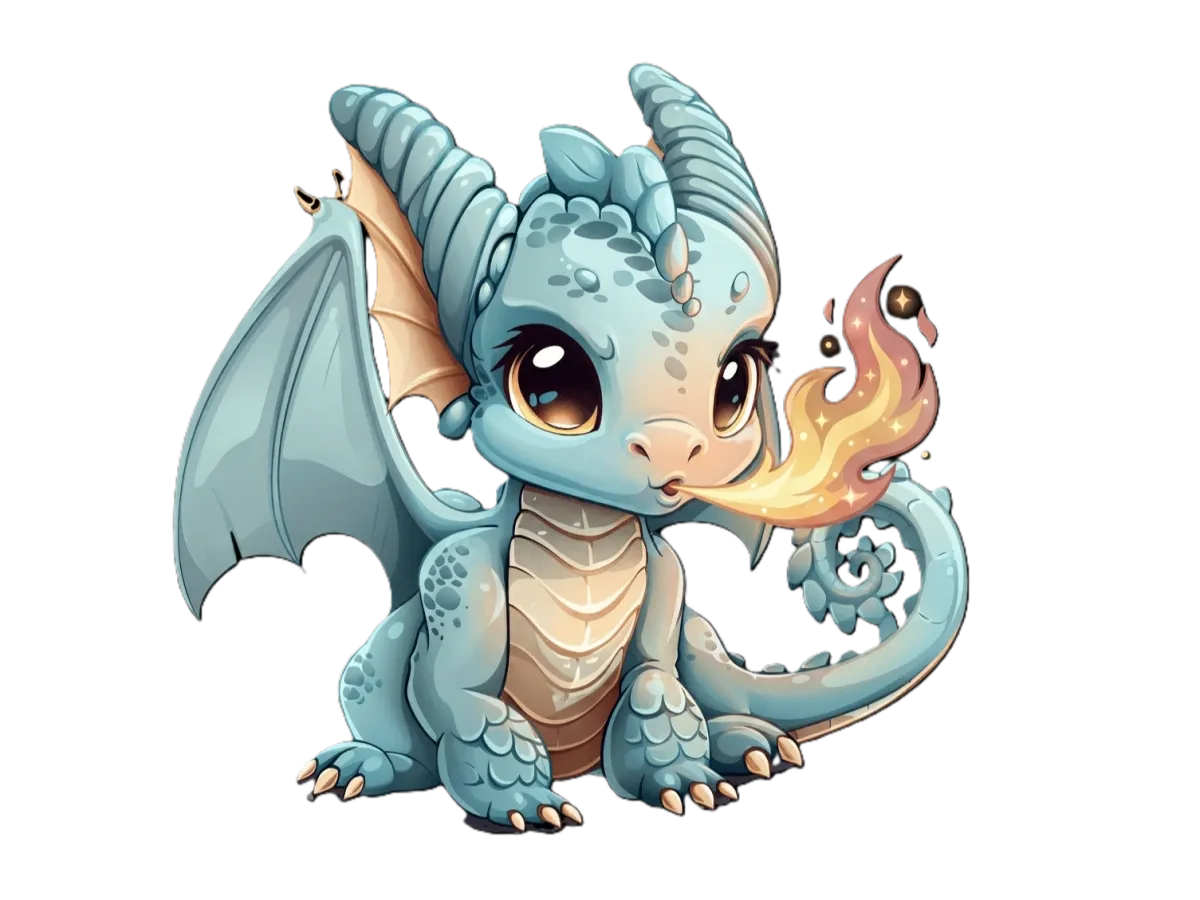
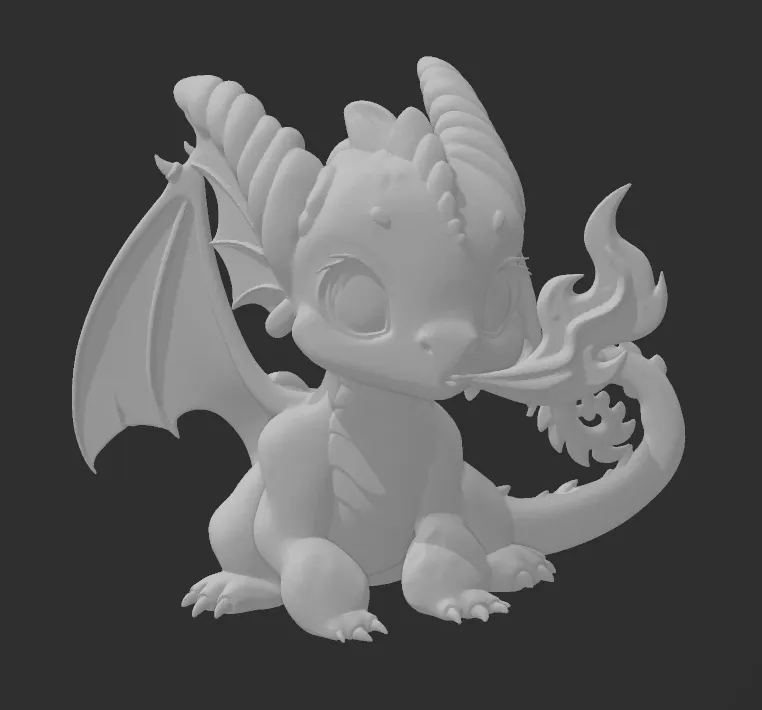
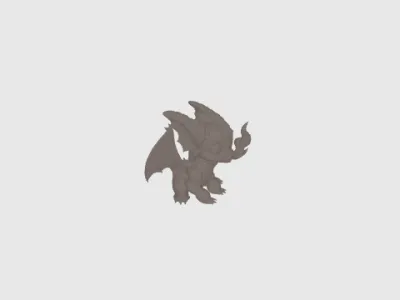
This is a single, self-supporting pose (sitting), based on the reference image, rendered in high detail.
Scale and Orientation: The model should be oriented sitting upright.
Horns: The two main horns are modeled with sharp, deep, spiral ribbed textures, derived directly from the reference and suitable for detailed painting. The central ridge crests on the head are distinct.
Facial Features: The large, expressive eyes are a prominent feature. They are modeled as deep, clean concave basins with smooth edges to facilitate easy, clean paint application or separate clear resin insertion. The small mouth is open and blowing.
Surface Texture: The scaled skin texture on the head, back, and limbs is present but clean, utilizing varied-size scales to create realistic depth without becoming fragile clutter.
Ventral Ridges (Underbelly): The segmented, tan ventral scales are modeled as robust, raised, smooth ridged plates from the neck to the tail base.
Tail: The tail must end in a robust, tight, elegant spiral, matching the ornamental feature seen in 1a. RAD V1.jpg and 4a. RAD Sleeping.jpg, ensuring structural strength and a clean print line.
Fire Breath: A specific geometry of flowing, wispy fire plume is integrated into the model, emerging from the mouth. To be printable (especially without supports), this fire effect must be modeled as a solid, flowing, multi-part, organic, and self-supporting geometry where the segments are interconnected to create a rigid plume structure. A separate, translucent-material file option would be ideal.
2. Print Configuration & Support Strategy:
Self-Supporting Pose: The sitting pose is largely self-supporting for the main body.
Critical Overhangs: The primary complex overhang is the fire-breath plume. This geometry must be connected to the body at the mouth and potentially have internal structures or a reinforced, unified outer shell to minimize or eliminate the need for significant support columns under the floating fire, which would be extremely difficult to clean without damage. (Ideally, the flame could be a separate part, or the main body could have pegs/holes).
Limbs: The tucked limbs and paws will require some support material under the claws and digits on the bed-facing side, especially on FDM.
Resin Optimization: For resin (SLA), the model should be slightly hollowed to conserve material, and drainage holes should be strategically placed (e.g., inside the leg joints, bottom of the base). Pre-sliced versions should include tree-style supports for clean removal.
3. Key Geometries to Sculpt:
[Horns] Dense, deep spiral ribs.
[Eyes] Clean concave bowls for painting.
[Underbelly] Raised segmented plates.
[Fire] A solid, flowing, interconnected geometry of fire and spark plumes, designed for single-material printability or separate multi-part clear.
[Tail] Robust, elegant ornamental spiral.
4. Ideal Slicing Options:
Layer Height:
SLA: 0.05mm - 0.025mm for max detail.
FDM: 0.12mm - 0.16mm (requires well-tuned retraction and supports for the fire).
Infill: Standard 15-20% for FDM, 100% (solid) for SLA miniatures.
Support Density: Low for tree-supports on SLA, medium for traditional on FDM, carefully placed for clean removal.
Originality of the Model
The author declares that this work is their personally original model
This model is licensed under the following terms:
Credit must be given to the creator
Models(1)
 6z. RAD Blowing Fire.3mfDesigner
5.11 MB

2026-05-12


