



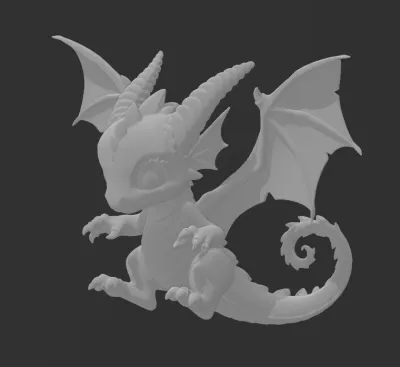

dragon
dungeons and dragons
dragons


1

0
Key Structural and Geometric Details:
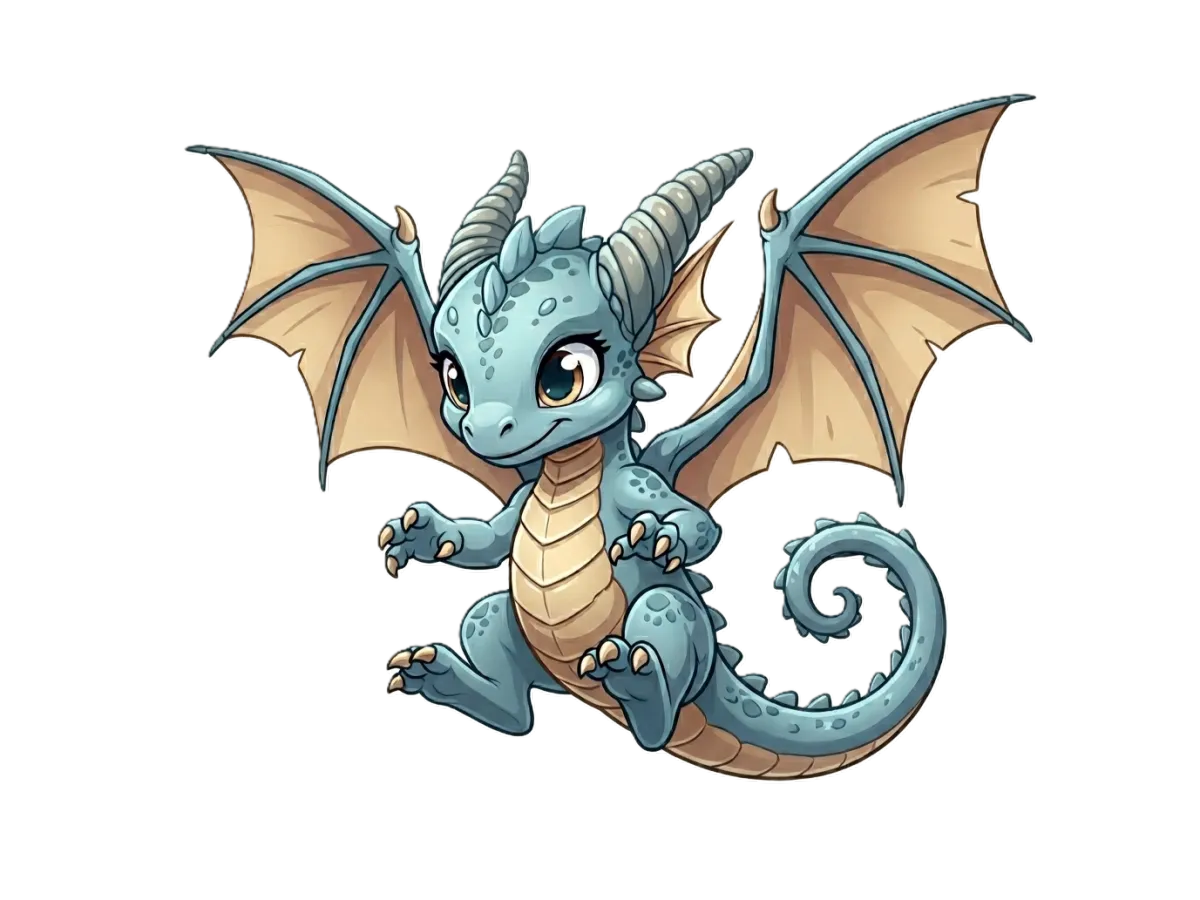
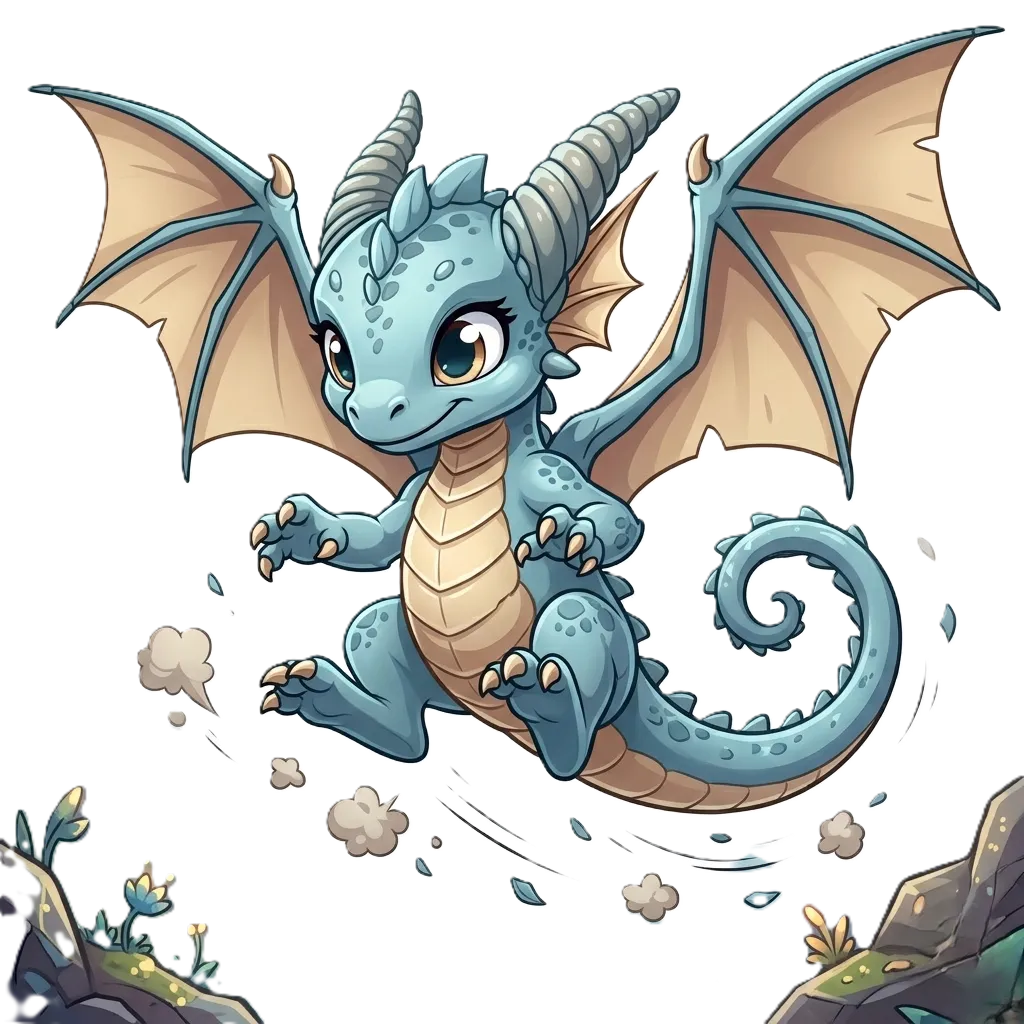
Color-Mapping Surfaces: All areas that change color (e.g., the light blue scaled body, the segmented cream belly) should be defined by distinct, smooth geometry boundaries to facilitate precise slicing and multi-color printing or clean painting lines.
Horns: Recreate the dense, spiral ribbed texture of the two primary horns. Ensure they are strong enough to withstand standard handling.
Head Ridges: Recreate the central row of smaller, crest-like ridges.
Eyes: The large eyes can be modeled as deep, clean, concave bowls to facilitate easy hand-painting or the insertion of a separate clear resin piece. Alternatively, a pre-colored separate part could be designed.
Wings: The wings must have robust, defined skeletal ridges. The membrane texture should be thin but durable. The ripped/torn edge details on the upper wingtips must be preserved geometrically.
Limbs and Claws: All four limbs must be tucked in a clean, floating pose. Small, distinct claws should terminate each digit.
Tail: The tail must end in a prominent, stylized ornamental swirl/spiral, matching the image. Ensure this section has sufficient volume for structural integrity and good infill.
Scale Texture: The scale pattern (dots/small raised bumps) must be subtle but clean, not so dense as to become a fragile messy print, but clear enough to be visible after sanding and painting.
Originality of the Model
The author declares that this work is their personally original model
This model is licensed under the following terms:
Credit must be given to the creator
Models(1)
 3z. RAD Jump.3mfDesigner
3.22 MB

2026-05-09


