



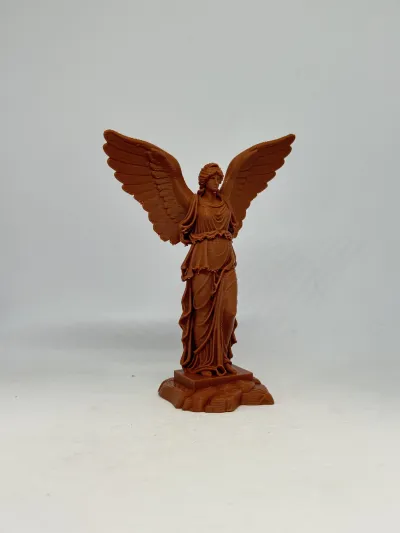
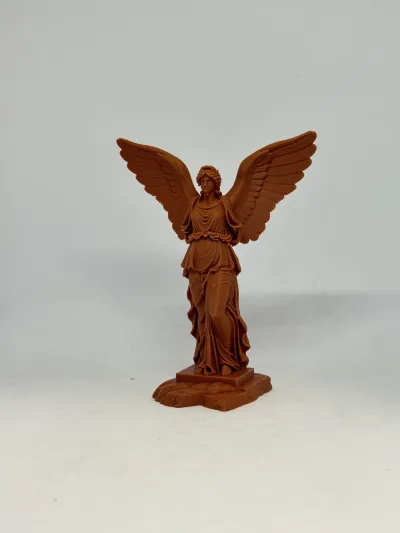

The Louvre Museum in Paris
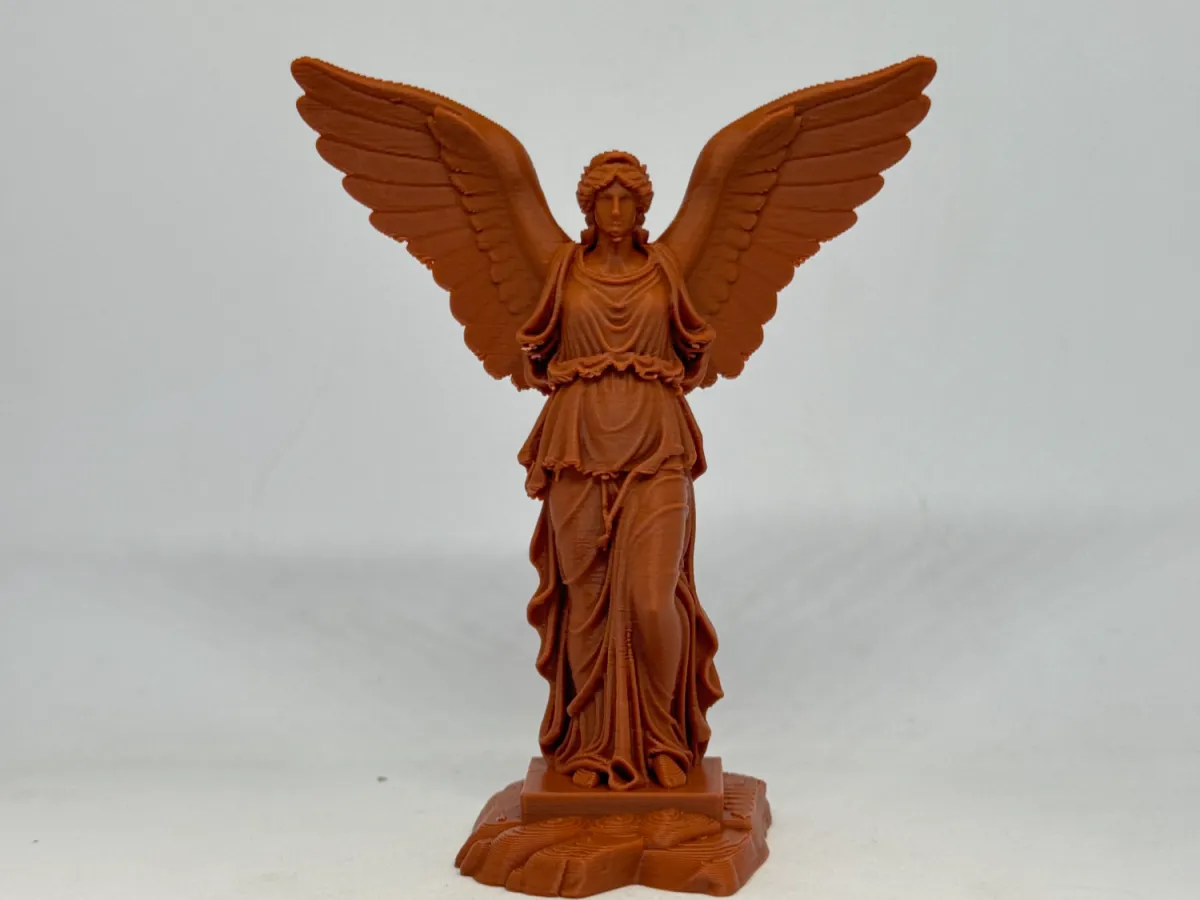
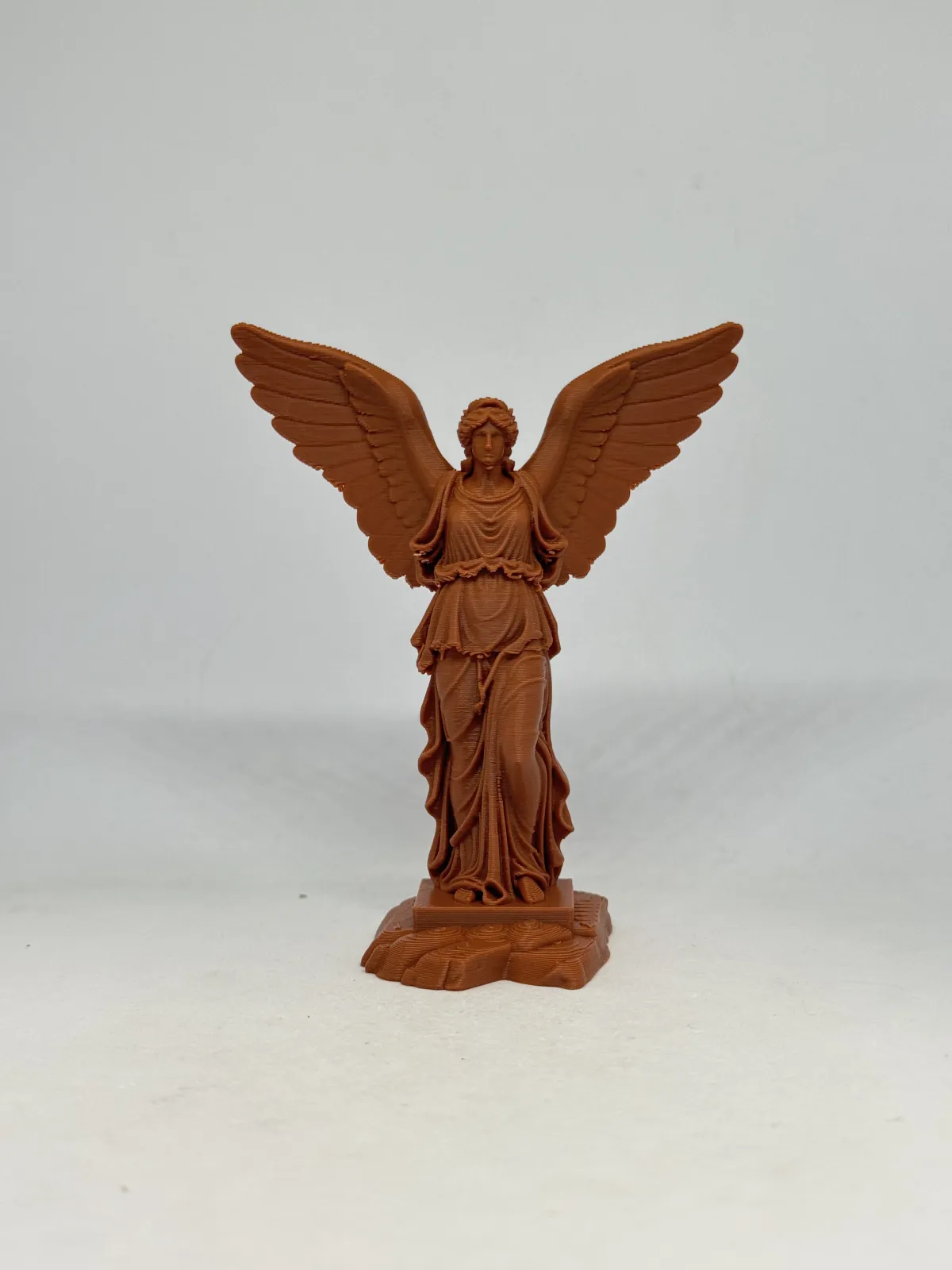
The Winged Victory of Samothrace
Sculpture

- 0.2 mm layer height, 2‑wall walls, 15% infill density

1-disc
PLA
Designer

3

0
The Winged Victory of Samothrace, a pinnacle of Hellenistic sculpture and one of the Louvre Museum’s three most celebrated masterpieces in Paris.
Key Information
Creation Date: Circa 200–190 BCE (Early Hellenistic Period); Material: Premium Parian marble; Discovery: Unearthed in 1863 by French archaeologist Charles Champoiseau at the site of the “Great Sanctuary of the Gods” on the island of Samothrace in the Aegean Sea—by then already reduced to over a hundred fragmented pieces, with the head and both arms missing; Current Location: At the top of the Daru Staircase in the Denon Wing of the Louvre Museum, Paris.
Background: Widely believed to be a votive offering commemorating a major naval victory—some scholars suggest it may have been commissioned to honor Demetrius I’s triumph over Ptolemy’s fleet. Originally mounted atop a ship‑shaped pedestal at the edge of a sea‑cliff, the winds would gently stir the folds of the statue’s drapery, lending the work an almost lifelike sense of presence and dynamism.
Dimensions: The statue stands approximately 2.45 meters tall, while the overall height—including the ship‑shaped base—reaches nearly 5.6 meters.
Originality of the Model
The author declares that this work is their personally original model
This model is licensed under the following terms:
Credit must be given to the creator
Only noncommercial uses of the work are permitted
Models(1)
- 萨莫色雷斯岛的胜利女神001.3mfDesigner

20.77 MB

2026-03-01


