


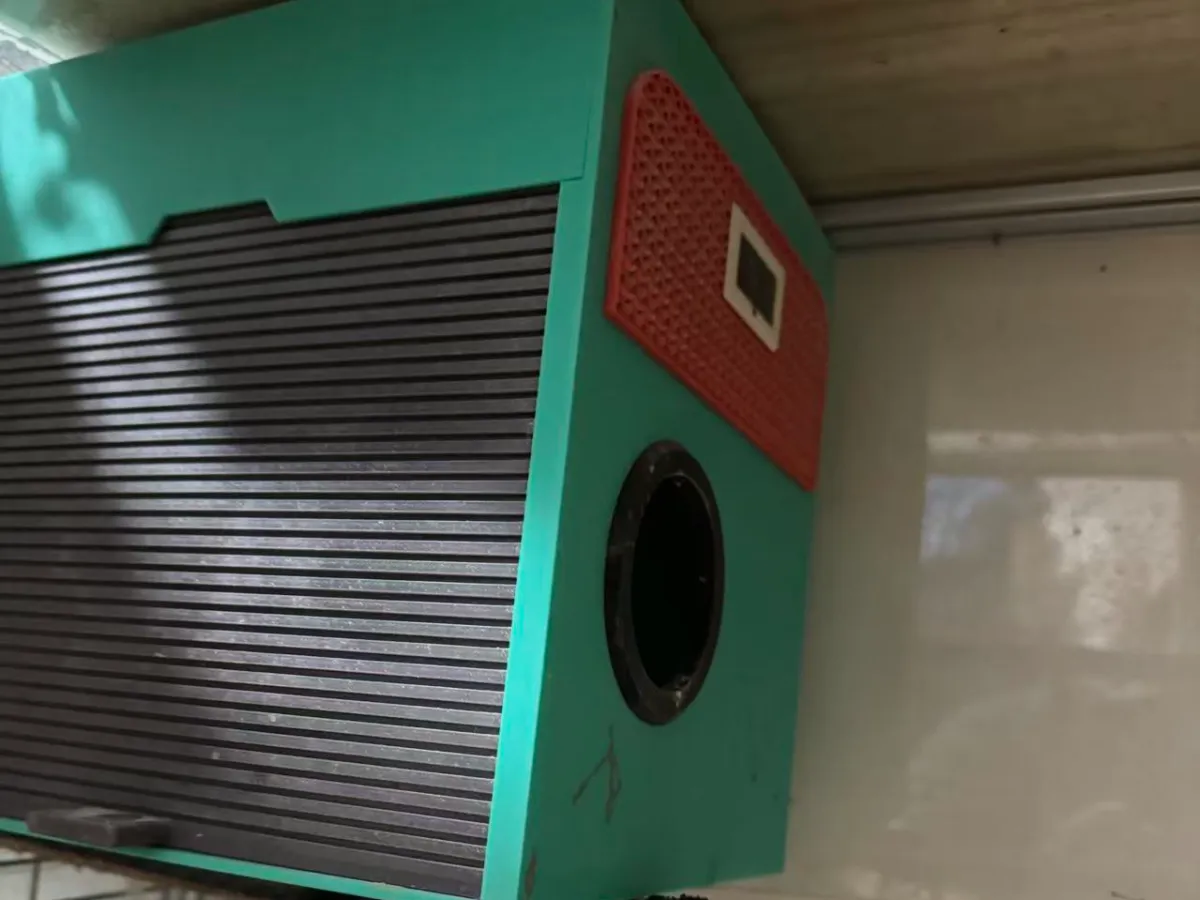
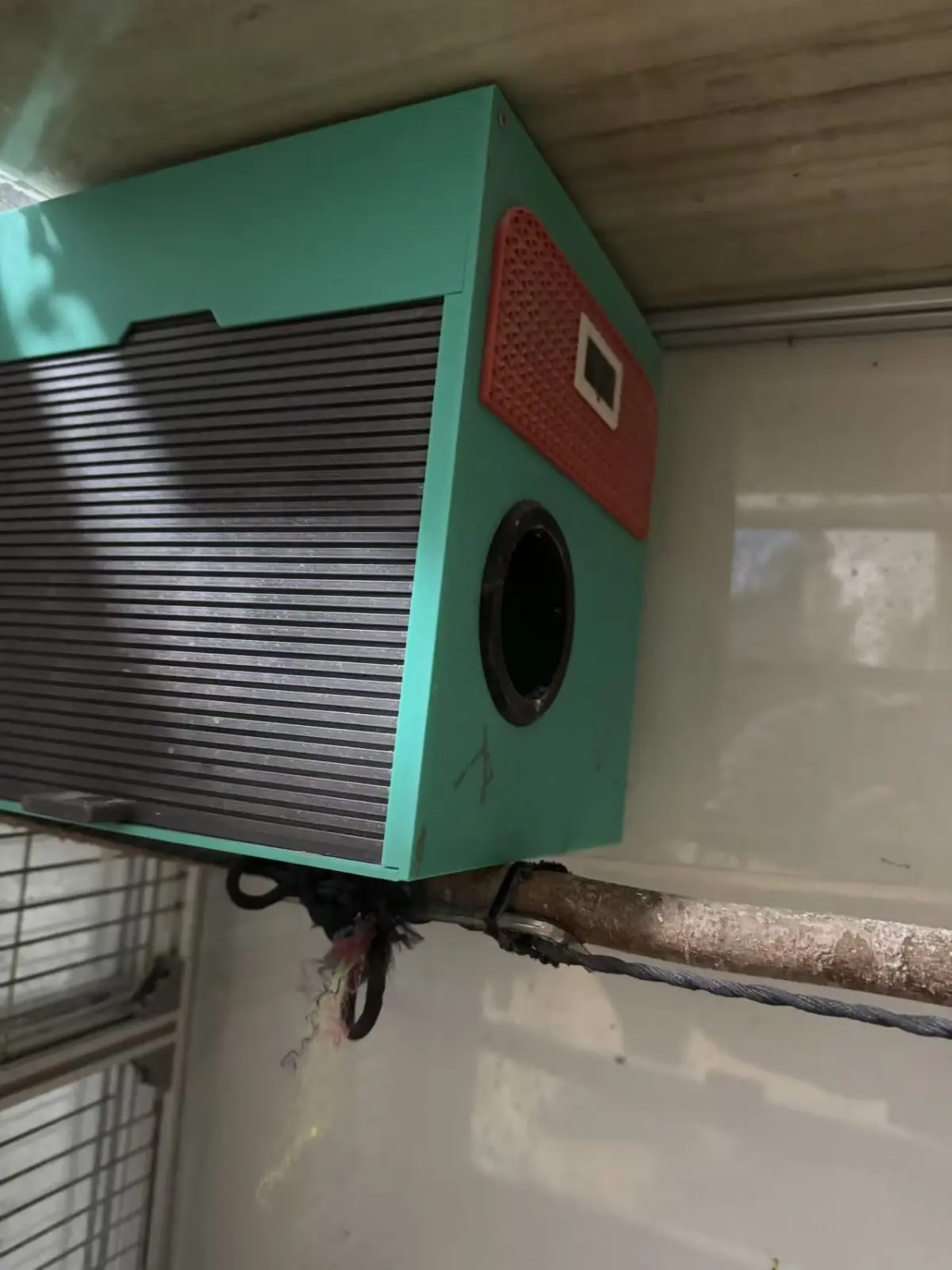

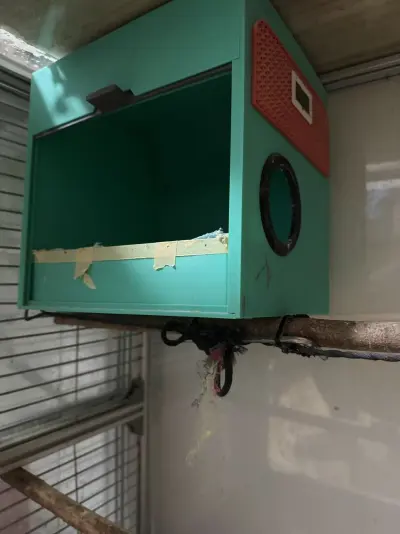

Parrot Breeding Box
Cockatiel
Young bird
繁殖
Safe House

- 0.2 mm layer height, 2‑wall walls, 15% infill density

4-disc
PLA
Designer

12

3
Parrot breeding boxes are enclosed bird nests specifically designed for parrot pairings and reproduction, providing female birds with a safe, private environment for egg-laying and chick rearing. Their design must strike a balance between warmth retention, protection from disturbance, and ease of observation and cleaning.
1. Structural and Design Considerations
• Box Body: Typically constructed from wood (such as pine or plywood) or eco‑friendly plastics, featuring excellent airtightness with only a single entrance.
• Entrance Hole: The diameter varies depending on the parrot species—for instance, budgerigars require an opening around 5–6 cm in diameter, while cockatiels need roughly 7–8 cm—to prevent predators or other parrots from entering.
• Interior Space: The interior should be spacious enough for the female to turn around and nest comfortably; it’s usually lined with wood shavings, dried grass, or coconut husk fiber as bedding material.
• Partition/Hidden Chamber: Many designs incorporate an internal partition or narrow passage, creating a sense of “seclusion” once the female enters, thereby minimizing external disturbances.
• Observation and Cleaning Door: An exterior access door allows for easy inspection of eggs and chicks, as well as routine cleaning, without requiring complete disassembly of the box.
2. Functional Benefits
• Safety and Privacy: By mimicking the natural environment of tree cavities, these boxes enable females to lay eggs and incubate with peace of mind.
• Temperature and Humidity Control: The enclosed design helps maintain stable temperature and humidity levels, significantly boosting hatching success rates.
• Reduced Disturbance: By minimizing interference from humans, other pets, or competing parrots, these boxes help lower the risk of nest abandonment.
3. Installation and Placement
• Location: Hang the breeding box on the higher, quieter side of the cage, ideally in a dimly lit area with minimal direct sunlight.
• Timing: Install the box before the parrots enter their breeding season so they can acclimate to it in advance.
• Maintenance: After each brood has fledged, remove the old bedding, thoroughly disinfect the box, and then replace it with fresh, clean bedding.
4. Material Advantages and Disadvantages
• Wood: Offers excellent breathability and thermal insulation, but is prone to moisture damage and mold if not properly maintained; regular replacement or application of a waterproof sealant is recommended.
• Plastic: Easy to clean, highly water‑resistant, and durable—but its thermal performance is slightly inferior, so extra care should be taken to ensure adequate ventilation during warmer months.
Originality of the Model
The author declares that this work is their personally original model
This model is licensed under the following terms:
Credit must be given to the creator
Models(1)
- 鹦鹉繁殖箱.3mfDesigner

105.26 KB

2025-12-07


