












bulb stabilizer
onion sprouting tray
easy plant setup
spring greens
nutrient solution tray
small bulb tray
home gardening
root growth support
plant container
hydroponic onion
onion set holder
windowsill garden

- Onion Set Sprouting Tray

4-disc
PLA
Designer

79

8
Onion Set Sprouting Tray
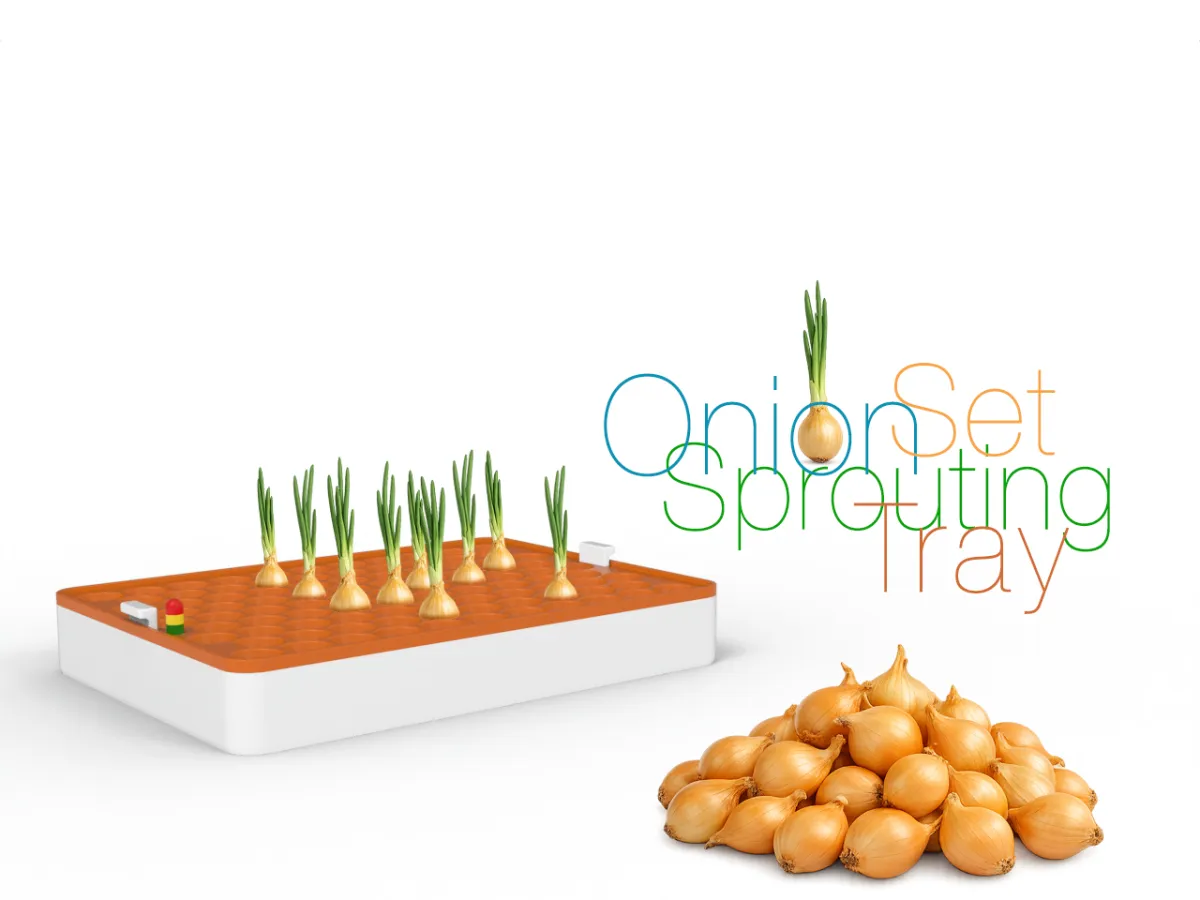
Vitamins and fiber are a fundamental part of any diet, and there’s no need to overexplain that. Everyone knows from childhood that vegetables are essential. Among them, onions stand out due to their strong potential to support overall health and vitality. This is one of those products that makes sense to use almost daily.
The importance of fresh greens becomes especially noticeable in spring and in regions without year-round warm climates. That’s why growing onions on a windowsill is such a common practice. They can be grown both from large bulbs and from onion sets.
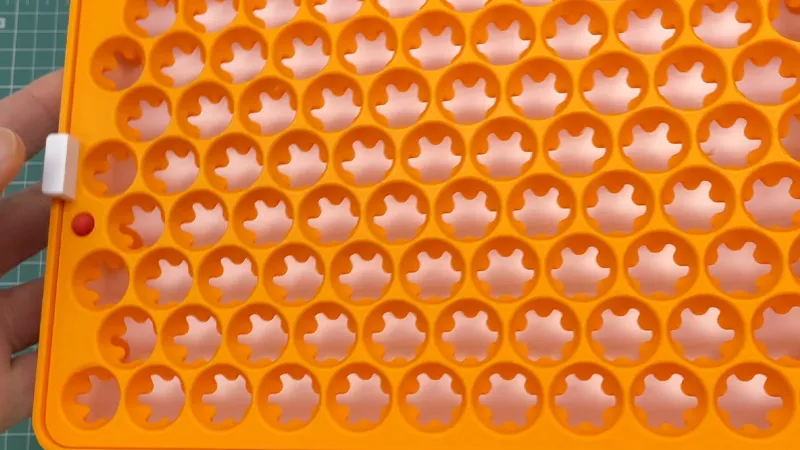
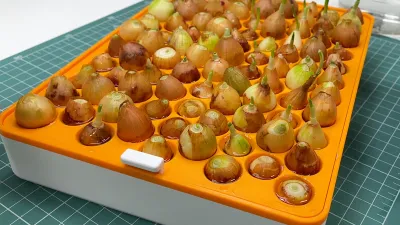
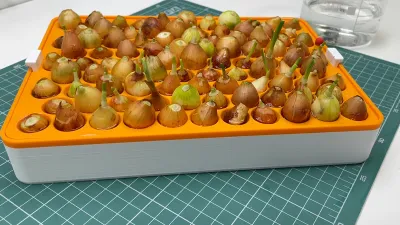
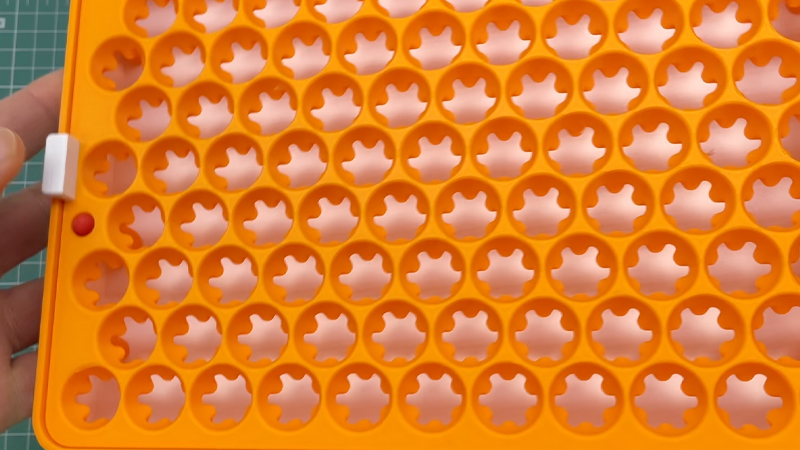
However, onion sets come with a clear drawback — their small size makes them difficult to position densely and stably inside a container. They tend to fall over and shift around. This is exactly why this tray was designed — with cells shaped to match the lower part of the bulb. It’s not perfectly universal for every size, but as shown in the video, the sets are placed quickly and securely.
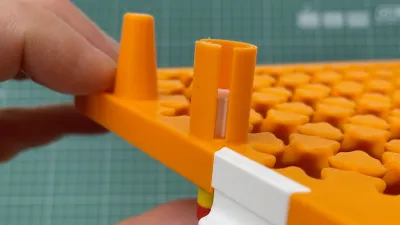
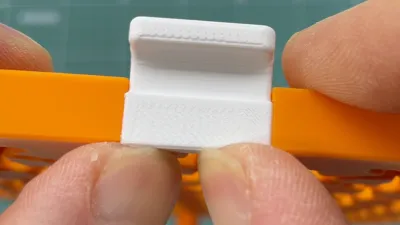
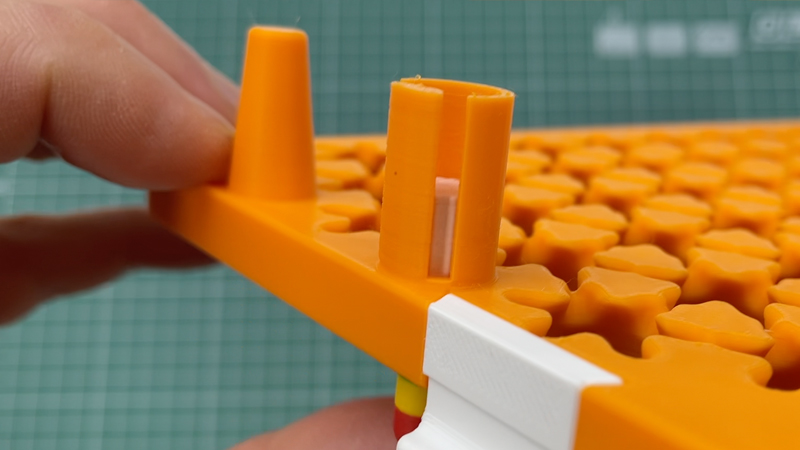
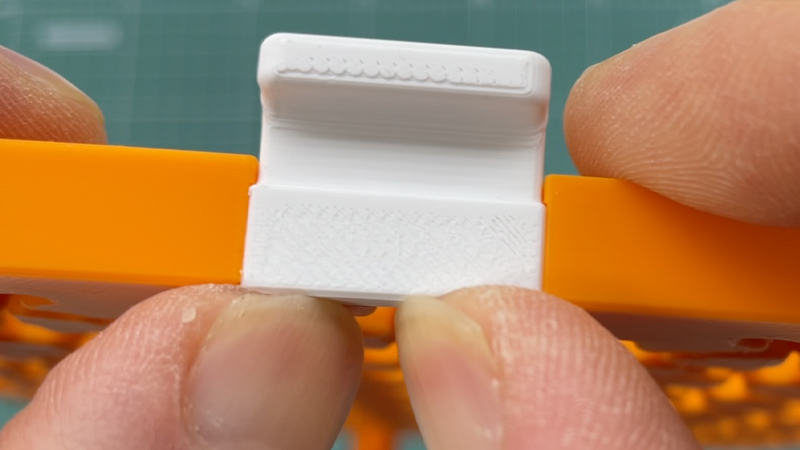
During development, the first version turned out to be flawed. After just two days, it was already clear that the onions were actively developing roots and shoots, and adjustments were necessary. The second version includes improvements: redesigned geometry, a float lock, and updated handles. All of this is shown in the video. The result is a much more practical and user-friendly container.
Regarding printing. I used relatively fine layer heights. This was intentional: the smaller the layer height, the better the layer bonding, and the
higher the final watertightness of the part. However, this comes at the cost of time — print time becomes significantly longer.
If you are not satisfied with my settings, you are free to use your own. Just understand the trade-off: faster printing increases the likelihood that you’ll need to do manual post-processing. In my view, it’s better to wait longer once than to spend time fixing issues later.
The files include both a 3MF with my settings and STL files — choose whichever workflow suits you. No supports are required for this model.
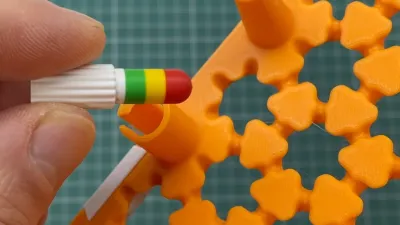
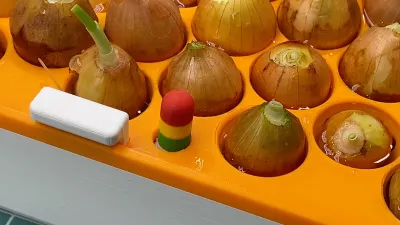
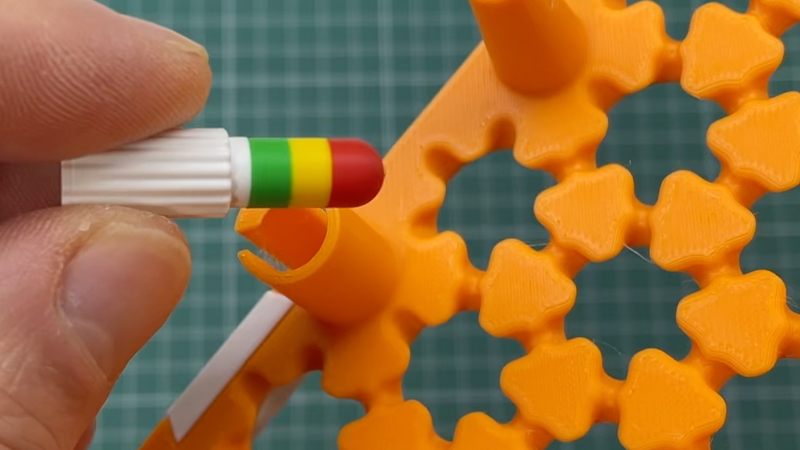
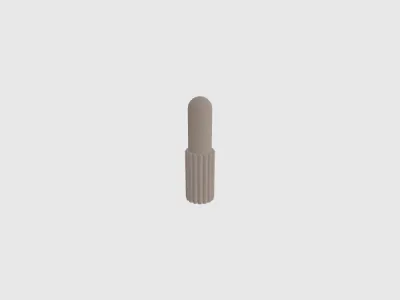
Now about the liquid level — this is important. When first placing the onion sets, keep the water or nutrient solution at the green mark on the float indicator. Once all bulbs have developed initial roots, you can lower the level to the yellow mark. When the root system becomes sufficiently long and developed, keep the level at the red mark.
This approach keeps the bulb itself dry while allowing the roots to reach the nutrient solution below. This is critical: constant contact between the bulb and water significantly increases the risk of odor, fungal growth, and bacterial issues. The bulb should not be submerged — even partial submersion is already too much.
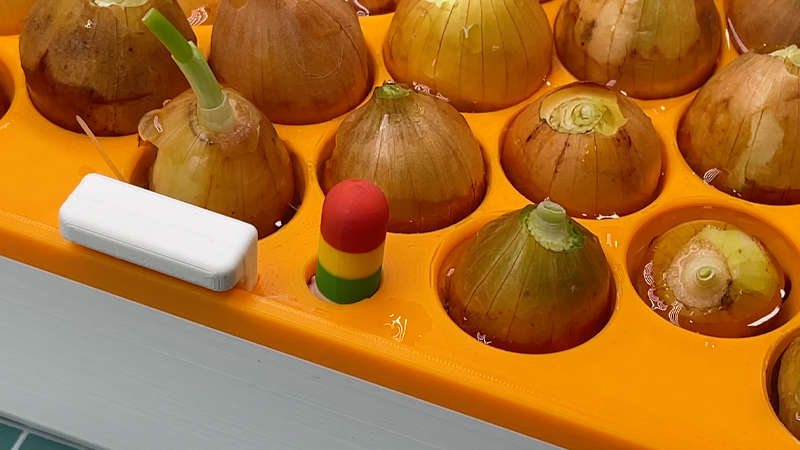
In the proper setup, the roots receive both moisture from the solution and access to oxygen, which results in more stable and healthy growth.
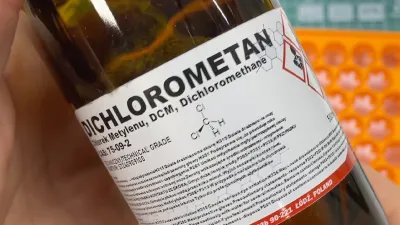
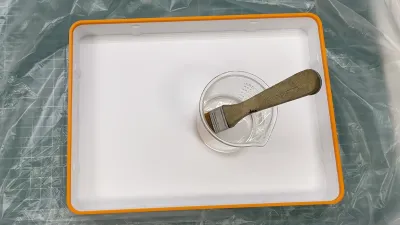
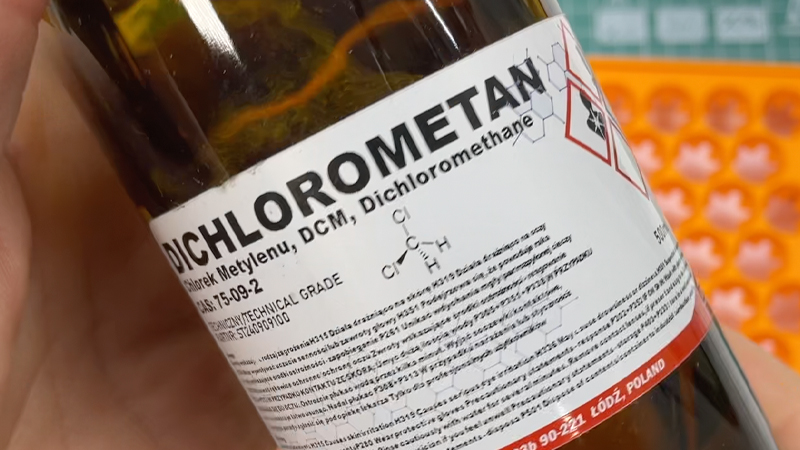
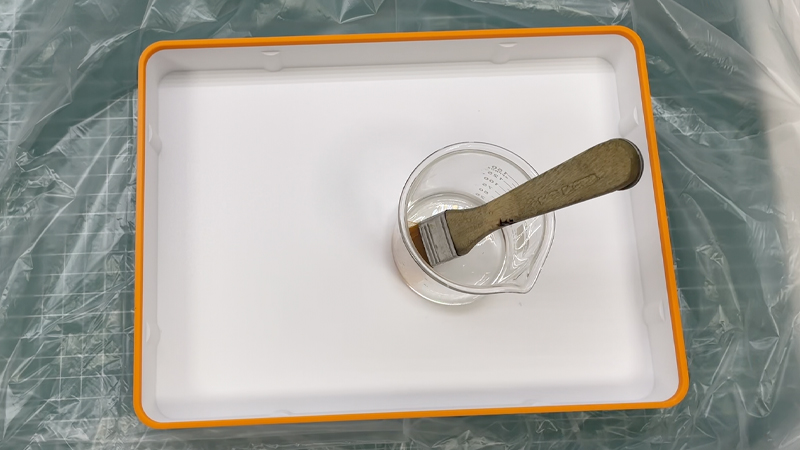
About watertightness. Even with 100% infill, 3D printing does not guarantee complete waterproofing. Water can seep through layer lines. To address this, it is recommended to treat the inner surface with a solvent. In this case, dichloromethane was used. It works well with PLA by slightly melting the surface, effectively sealing the layers. Not all plastics are compatible with this method.
Now about the usual “concerns.” PLA (polylactic acid) is derived from renewable resources such as corn or sugarcane. It is one of the safest materials used in 3D printing. For growing plants like onions, it is completely suitable. There will be no deep dive into “micro-particles” or similar theories here. You already live in an environment where the air contains a wide range of elements. If you’re looking for debates, take it to forums — this is a practical solution, not a theoretical discussion.

Regarding plant nutrition. Even regular tap water contains enough dissolved minerals for onion growth. With regular water changes (daily or every other day), this is more than sufficient. If desired, hydroponic nutrients or antifungal treatments can be used, but they are optional.
Lighting is another important factor. If you have a sunny window, no additional lighting is required — onions will grow just fine. Otherwise, a simple LED light will do the job. No built-in mount for lighting was included by design, because the container requires frequent handling (refilling, rinsing). A fixed light would only make that more inconvenient. A separate light source is the better solution.
As for the color choice. Onion skins contain a natural pigment called quercetin. It belongs to the flavonoid group and can stain surfaces in yellow-brown tones. That’s why orange was chosen — it visually masks these stains and keeps the container looking clean.
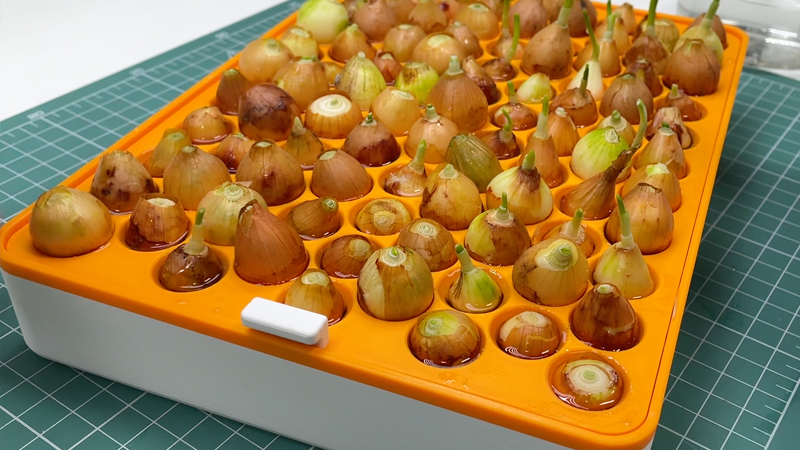
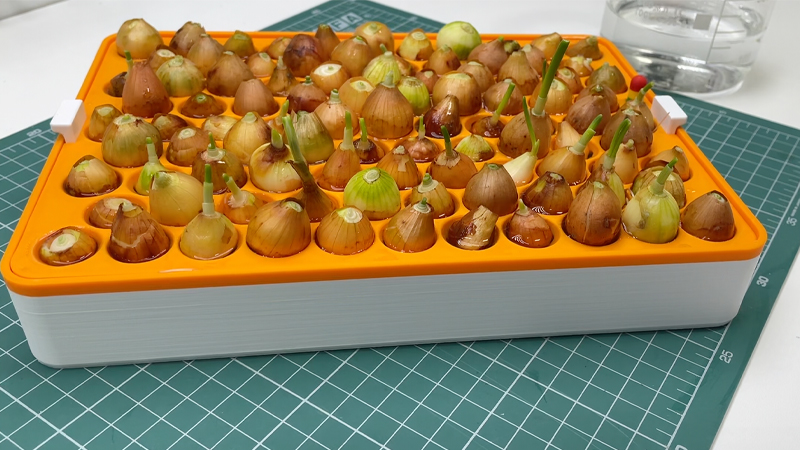
The video shows both versions of the model, but only the second, improved version is included in the files. The first version demonstrates a common reality: trying to “do it quickly” usually leads to missed details. In this case, surface tension caused water to leak over the edges. This issue has been fully resolved in the updated design.
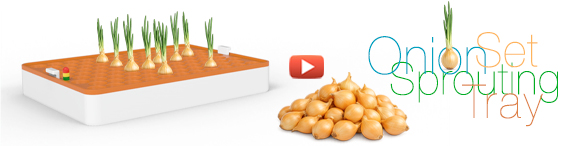
See the video for details:
If you liked this thing - let me know by putting like!
Parts links below:
- Portable Full Spectrum Led Grow Light
- 1/2/3/4 Red Blue LED Grow Light Strip
- Led Strip Plant Grow Light
- Plant Grow light
- Full Spectrum LED Grow Light
Links to used tools:
Originality of the Model
The author declares that this work is their personally original model
This model is licensed under the following terms:
Credit must be given to the creator
Models(5)
- Onion Starter Tray E.3mfDesigner

13.34 MB

2026-03-30
 Float gauge.STL.stlDesigner
7.78 MB
2026-03-30
 Handle.STL.stlDesigner
752.43 KB
2026-03-30
 Onion Starter Tray Container.stlDesigner
2.03 MB
2026-03-30
 Onion Starter Tray.stlDesigner
290.65 MB
2026-03-30
View all(5)


