


'%3e%3cpath%20id='Rectangle%20995'%20d='M0%200H24C26.2091%200%2028%201.79086%2028%204V52C28%2054.2091%2026.2091%2056%2024%2056H0V0Z'%20fill='black'%20fill-opacity='0.2'/%3e%3cpath%20id='Vector'%20d='M17%2022L11%2028L17%2034'%20stroke='white'%20stroke-opacity='0.85'%20stroke-width='1.5'%20stroke-linecap='round'%20stroke-linejoin='round'/%3e%3c/g%3e%3cdefs%3e%3cclipPath%20id='clip0_1639_4805'%3e%3crect%20width='28'%20height='56'%20fill='white'/%3e%3c/clipPath%3e%3c/defs%3e%3c/svg%3e)

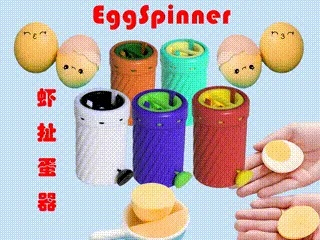 GIF
GIF
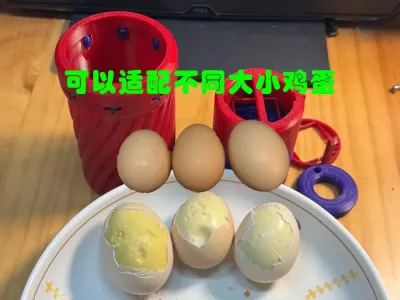
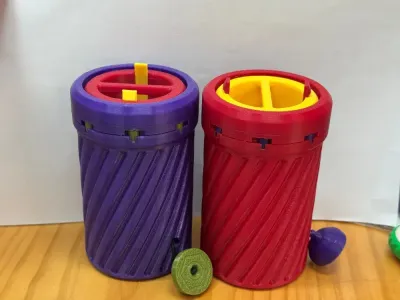
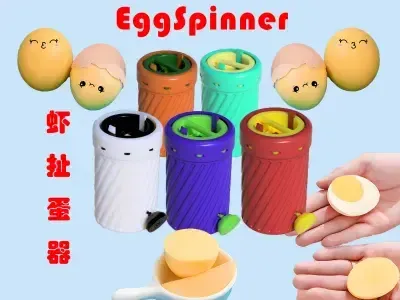
'%3e%3cpath%20id='Rectangle%20995'%20d='M0%204C0%201.79086%201.79086%200%204%200H28V56H4C1.79086%2056%200%2054.2091%200%2052V4Z'%20fill='black'%20fill-opacity='0.2'/%3e%3cpath%20id='Vector'%20d='M11%2022L17%2028L11%2034'%20stroke='white'%20stroke-opacity='0.85'%20stroke-width='1.5'%20stroke-linecap='round'%20stroke-linejoin='round'/%3e%3c/g%3e%3cdefs%3e%3cclipPath%20id='clip0_1639_4802'%3e%3crect%20width='28'%20height='56'%20fill='white'/%3e%3c/clipPath%3e%3c/defs%3e%3c/svg%3e)
Unboxing toys
Rotation
Helix
Egg
Unzip
Damn it!
Centrifuge
Bullshit
Filament Winder
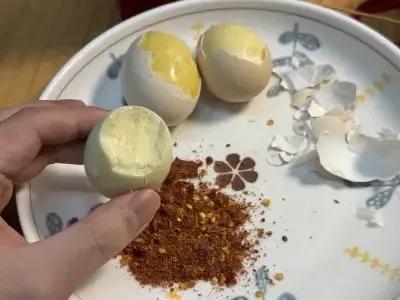
Golden Egg
Egg
Mixer
Egg Shaker
Goose egg
Duck egg
Egg Storage
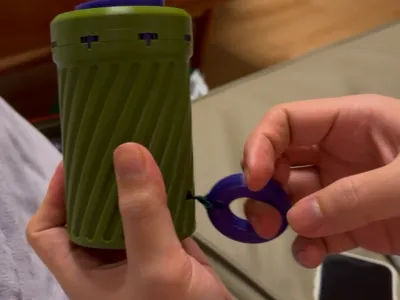 Fidget Ring Puller
'%20fill='%23B3B3B3'/%3e%3crect%20id='Rectangle%201051'%20x='8'%20y='2'%20width='12'%20height='0.5'%20transform='rotate(90%208%202)'%20fill='%23D9D9D9'/%3e%3crect%20id='Rectangle%201052'%20x='11'%20y='2'%20width='12'%20height='0.5'%20transform='rotate(90%2011%202)'%20fill='%23B3B3B3'/%3e%3cpath%20id='Rectangle%201048'%20d='M2%202H14V14H11L10.5%2014.5H8H5.5L5%2014H2V2Z'%20stroke='%23828282'%20stroke-linejoin='round'/%3e%3c/g%3e%3c/g%3e%3c/svg%3e)
1-disc
PETG
Designer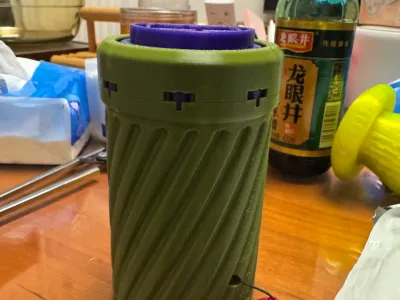 The color mixer has completed two batches.
2-disc
PETG
Designer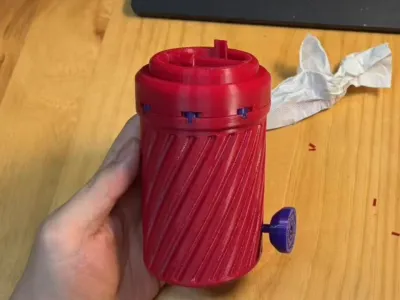 The single-color 3D printer has completed one print job.
1-disc
PETG
Designer

10

0
Total print time: approximately 5 hours; material consumption: 170 g. Would you mind giving this a like, saving it to your favorites, and sharing it with others? Your support means the world to me—thank you!
Your likes, saves, and shares are incredibly meaningful—I’m so grateful for your unwavering support!
Please use PETG, ABS, or PLA-CF filaments for printing; for nylon filament, refer to the instructions for specific requirements.
Warning!!!
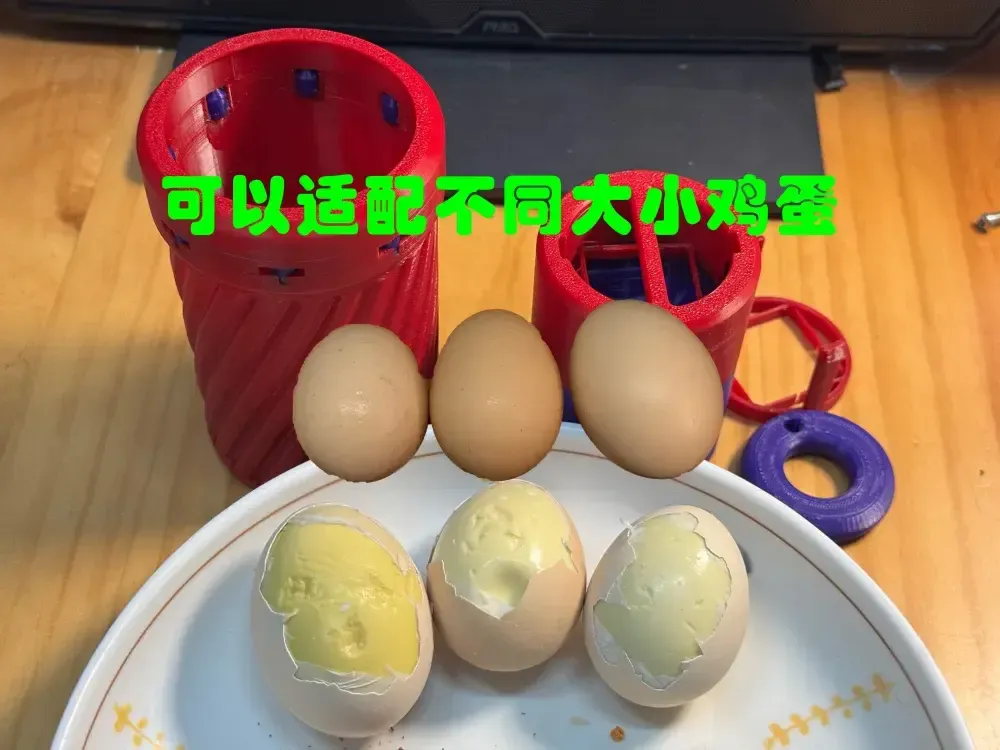
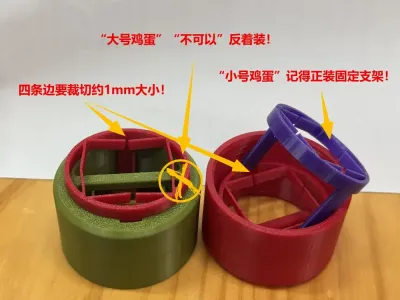
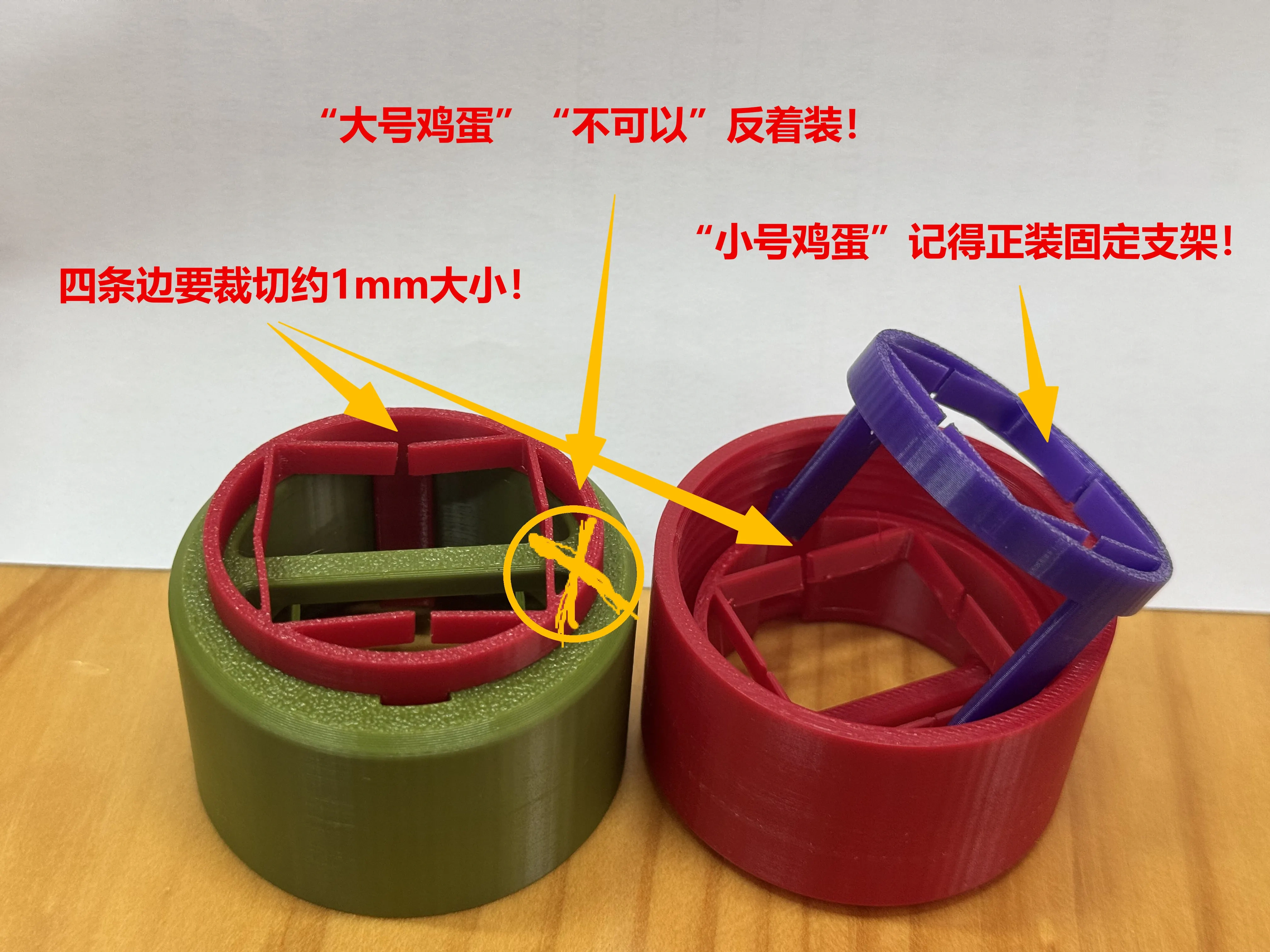
1. You don’t need to fully tighten the egg holder! Simply ensure the egg is securely locked in place—over-tightening can increase the risk of cracking the shell!
2. For small eggs, be sure to install the included support bracket; when not in use, you can reverse the bracket’s orientation for compact storage! Be sure to trim each of the four edges down to about 1 mm in length. Remember: “small eggs” require the support bracket, while “large eggs” should have the bracket removed—and never be installed backward!
Don’t overtighten the holder! Just check that the egg is secure—cranking it down too far can crack the shell.
For small eggs, clip in the support bracket. Pop it on backwards for neat storage when you’re done.
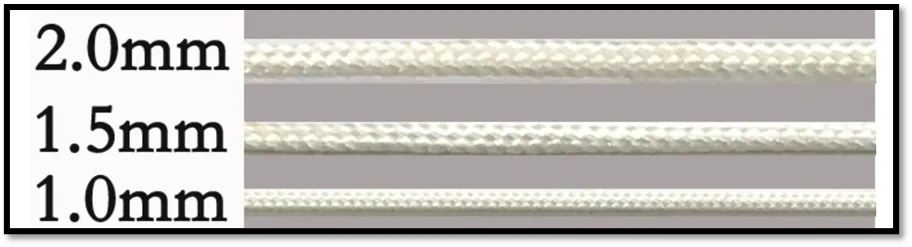
Materials to Prepare:
The only material you need to prepare is a 65 cm–long core‑sheath nylon cord with a diameter of 1.5–2.0 mm. I personally use a 1.5 mm core‑sheath, non‑stretch nylon line—but if you’re using a 0.8–1.0 mm diameter cord, we recommend doubling the strand by running two strands together.
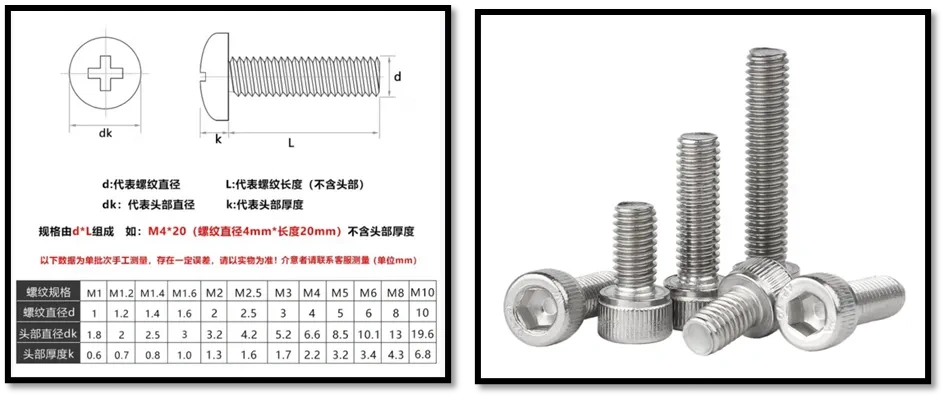
This isn’t a mandatory accessory—but if you feel the shaft isn’t sufficiently secure, you can reinforce it by threading in an M3×40 screw. Both standard head types work perfectly.
3.
Notes:
1. Some eggs have particularly thin shells—once you can see the top window clearly and the egg feels snug, you can stop tightening to avoid over‑compression.
2. On average, pulling the mechanism 25–50 times should suffice—adjust based on your personal preference and feel.
2. If the mechanism starts making excessive noise, be sure to apply more lubricant to reduce friction.
Instructions:
- Some eggs have thin shells. Watch through the top window—once snug, stop tightening to avoid cracking.
- Pull approximately 25–50 times; adjust to your preferred feel.
- If the noise is too loud, add more grease.
Installation instructions are available in both video and printed manual formats.Two installation options are available: follow the step-by-step video tutorial or download the printed instruction manual:
Bill of materials
- NameQuantityNotes
- 1尼龙绳1.5mm×65cm1
Originality of the Model
The author declares that this work is their personally original model
This model is licensed under the following terms:
This work is licensed under a Standard Digital File License. Digital files have a strict non-commercial, personal use only license.
You shall not share, sub-license, sell, rent, host, transfer, or distribute in any way the digital file or 3D printed versions of this object, nor any other derivative work of this object in its digital or physical format (including remixes of this object). You can not host these files on other digital platforms, web stores or cloud repositories. The objects may not be used in any way whatsoever in which you charge money, collect fees.
Models(3)
- 扯蛋器单色1盘打完.3mfDesigner
'%3e%3cpath%20id='Vector'%20d='M13.6663%201.33331H2.33301C1.78072%201.33331%201.33301%201.78103%201.33301%202.33331V13.6666C1.33301%2014.2189%201.78072%2014.6666%202.33301%2014.6666H13.6663C14.2186%2014.6666%2014.6663%2014.2189%2014.6663%2013.6666V2.33331C14.6663%201.78103%2014.2186%201.33331%2013.6663%201.33331Z'%20stroke='%23808080'%20stroke-linejoin='round'/%3e%3cpath%20id='Vector_2'%20d='M11.3333%201.33331V7.33331H5V1.33331H11.3333Z'%20stroke='%23808080'%20stroke-linejoin='round'/%3e%3cpath%20id='Vector_3'%20d='M9.66699%203.66669V5.00002'%20stroke='%23808080'%20stroke-linejoin='round'/%3e%3c/g%3e%3cdefs%3e%3cclipPath%20id='clip0_3212_168684'%3e%3crect%20width='16'%20height='16'%20fill='white'/%3e%3c/clipPath%3e%3c/defs%3e%3c/svg%3e)
2.63 MB
'%3e%3cpath%20id='Vector'%20d='M7.99967%2014.6666C11.6816%2014.6666%2014.6663%2011.6819%2014.6663%207.99998C14.6663%204.31808%2011.6816%201.33331%207.99967%201.33331C4.31777%201.33331%201.33301%204.31808%201.33301%207.99998C1.33301%2011.6819%204.31777%2014.6666%207.99967%2014.6666Z'%20stroke='black'%20stroke-opacity='0.49'%20stroke-linejoin='round'/%3e%3cpath%20id='Vector_2'%20d='M8.00235%204.00006L8.00195%208.00299L10.8284%2010.8295'%20stroke='black'%20stroke-opacity='0.49'%20stroke-linecap='round'%20stroke-linejoin='round'/%3e%3c/g%3e%3cdefs%3e%3cclipPath%20id='clip0_1890_13189'%3e%3crect%20width='16'%20height='16'%20fill='white'/%3e%3c/clipPath%3e%3c/defs%3e%3c/svg%3e)
2025-08-18
- 扯蛋器分色2盘打完.3mfDesigner
2.69 MB
2025-08-18
- 扯蛋器指环拉手.3mfDesigner
1.45 MB
2025-08-18
View all(3)
Attachments(1)
pdf
Instructions.pdf
912.65 KB
2025-08-18


