




Receiver
Receiver
Remote Control
Layer Height

- 0.25 mm layer height, 1 wall thickness, 10% infill density

1-disc
PLA
Designer

1

0
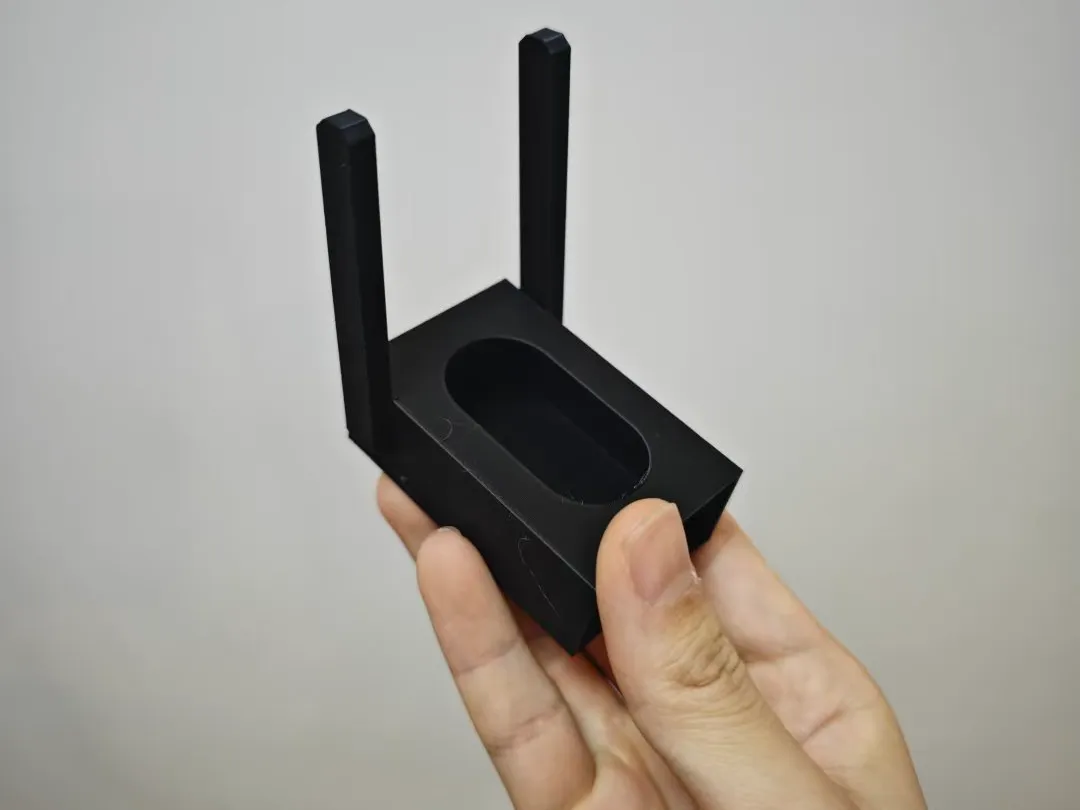
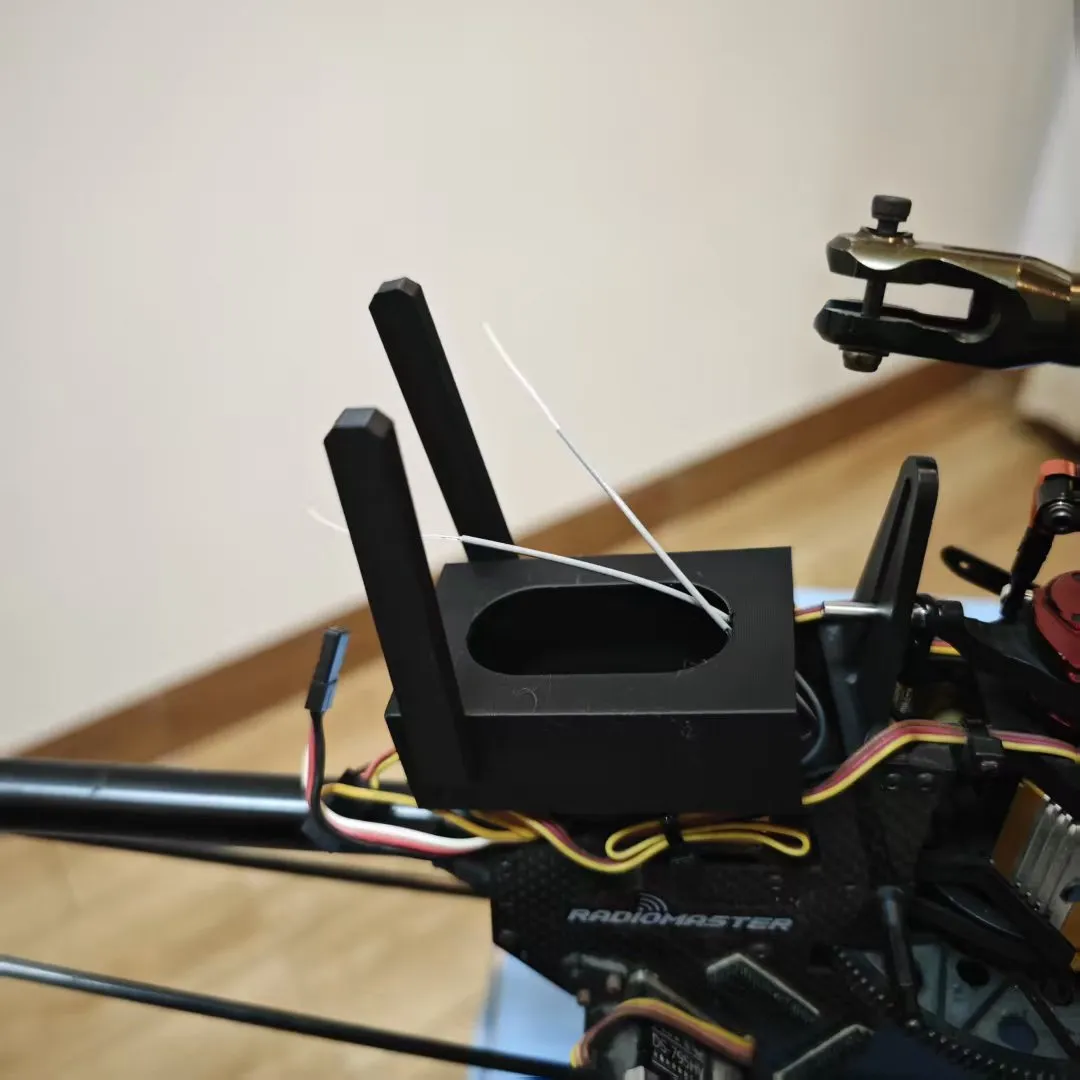
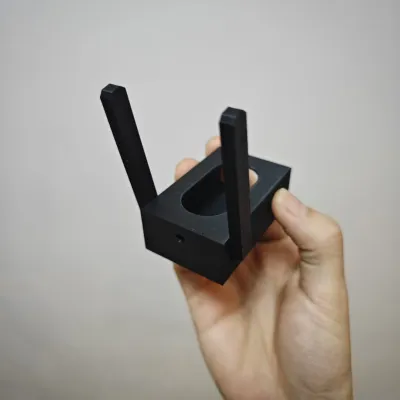
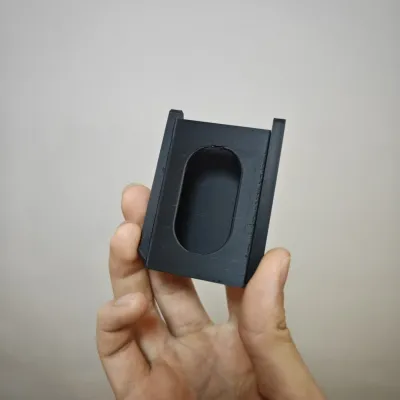
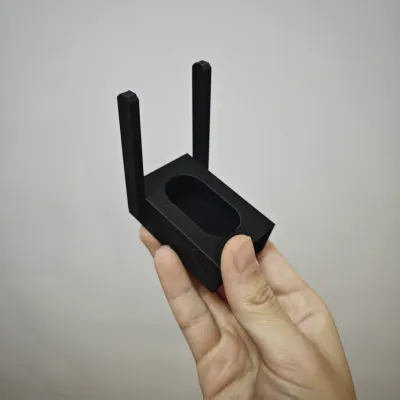
This black 3D‑printed receiver signal antenna box is a professional-grade signal optimization and protection accessory designed for RC models—such as model helicopters and drones. Its core functions include safeguarding the receiver antennas, enhancing signal reception, and improving both the aesthetic tidiness and operational safety of the overall aircraft layout.
Antenna Protection and Organization: The primary function of the antenna box is to provide physical protection and organized storage for the receiver’s two antennas. The slender antenna leads exit through openings at the top of the box and are neatly separated by two vertical support pillars, preventing them from being pinched, pulled, or bent during flight, installation, or maintenance. At the same time, the antenna box keeps cluttered antenna cables neatly bundled, resulting in a cleaner internal fuselage layout, reducing cable tangling and friction against other components that could damage the insulation, thereby boosting the overall reliability of the aircraft.
Signal Optimization and Interference Mitigation: The antenna box is engineered to secure the two antennas at a mutually perpendicular angle—a configuration that represents the optimal arrangement for RC signal reception. This design effectively minimizes signal interference between the antennas while ensuring that, regardless of how the model rolls or maneuvers in flight, the antennas maintain their ideal signal‑receiving orientation. As a result, it significantly extends the effective control range, enhances anti‑interference performance, and reduces the risk of loss of control. Moreover, the non‑conductive materials used in the box—such as PETG—do not attenuate the signal, guaranteeing efficient and reliable signal reception.
Physical Protection and Structural Support: Acting as a robust enclosure, the antenna box shields the receiver module from impacts, shocks, and dust ingress. Particularly during crashes or high‑speed flights, it effectively isolates the antennas from other components, preventing them from being torn loose by high‑velocity airflow or foreign objects. At the same time, the box’s structural design provides additional support for the receiver, helping to prevent module loosening under vibration and ensuring stable signal transmission.
Easy Installation and Versatile Compatibility: The antenna box can be securely mounted directly onto the airframe or arm via bottom-mounted slots or screw holes, making installation and removal incredibly convenient—no drilling or adhesive is required, and no damage is inflicted on the airframe. Its design is compatible with the antenna dimensions of mainstream receivers—including FrSky, Radiomaster, and others—offering broad adaptability and making it suitable for a wide range of RC models.
Attitude Assistance and Visual Guidance: The two support pillars atop the antenna box, along with the exposed antenna leads, are highly visible during flight, enabling pilots to more intuitively assess the model’s orientation and attitude. This is especially beneficial in long‑range operations or challenging lighting conditions, where it helps build pilot confidence and simplify control, ultimately reducing the complexity of flight operations.
Originality of the Model
The author declares that this work is their personally original model
This model is licensed under the following terms:
Credit must be given to the creator
Models(1)
- 1.3mfDesigner

85.59 KB

2026-02-15


